-
dima
-
self defense (2024-in progress)
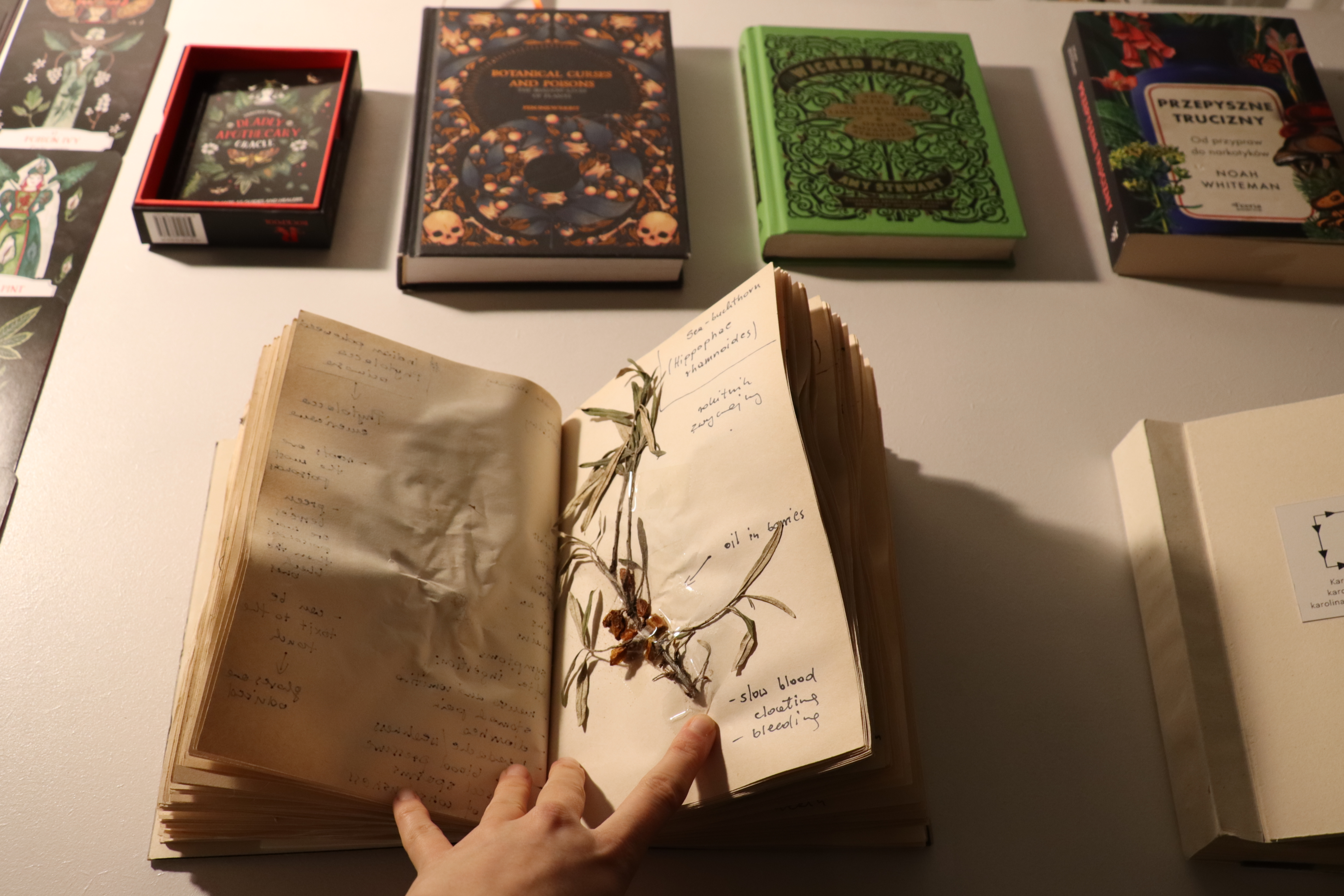
The starting point for the self defense project was Noah Whiteman’s book Most Delicious Poison: The Story of Nature’s Toxins—from Spices to Vices, which shows how different organisms develop defensive strategies that humans have learned to use as poisonous safeguards.
In the current atmosphere of global threat and the possibility of war, I believe it is worth initiating a discussion about defense practices grounded in knowledge of nature. This knowledge, like any other, is not exempt from ethical considerations—it requires responsibility and caution. As Paracelsus said, only the dose makes the poison.
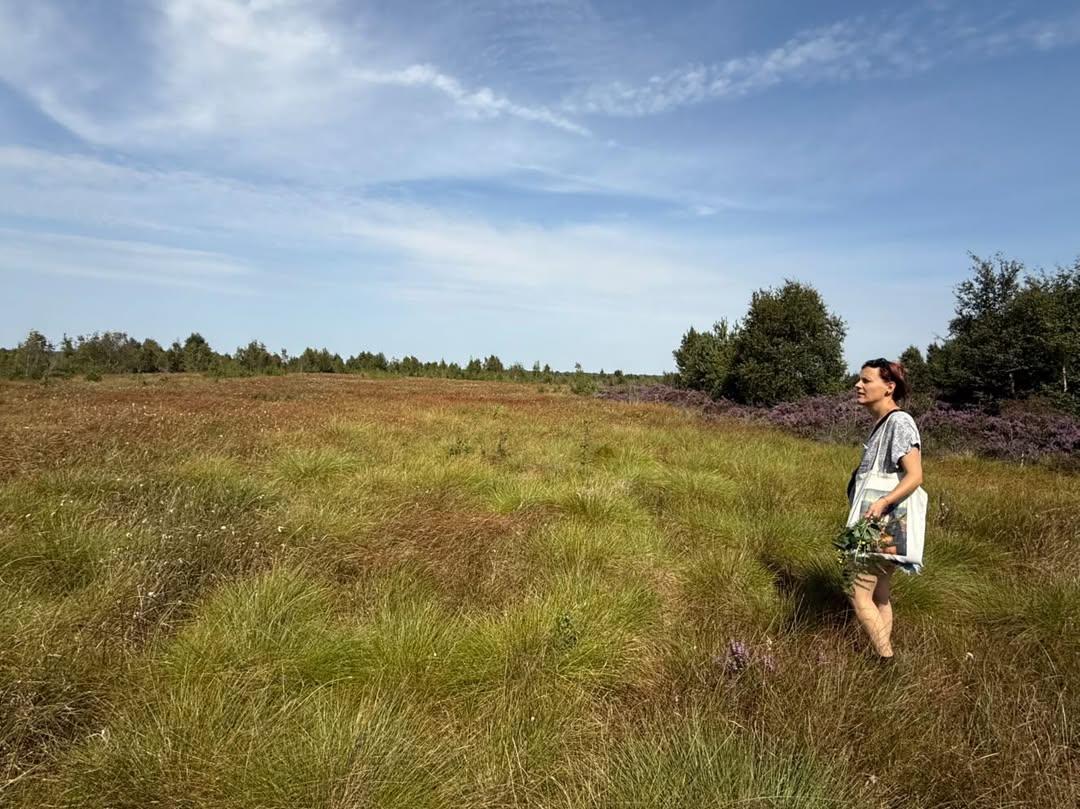
In self defense, I am interested in how plants considered poisonous use toxins within their life cycles and interspecies relationships, and how these toxins can be used—or misused—by humans. My work revisits very basic forms of environmental knowledge that have been overshadowed or erased by new technologies.
My research focuses on doses, thresholds, and limitations of certain plant-derived substances—points beyond which they become dangerous. At these thresholds, toxins shift from being merely one component of a plant to a potential tool capable of harming or taking away health or life.
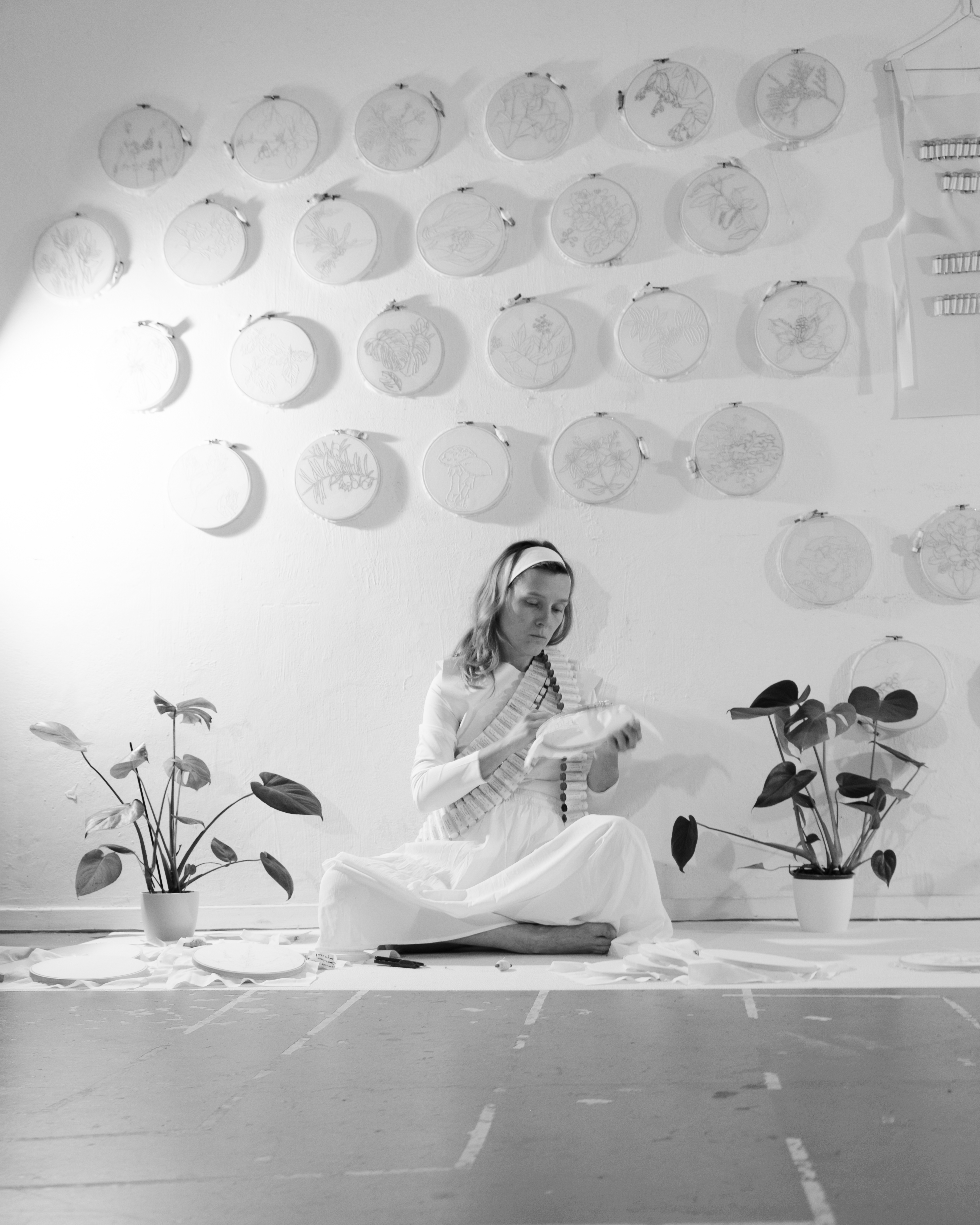
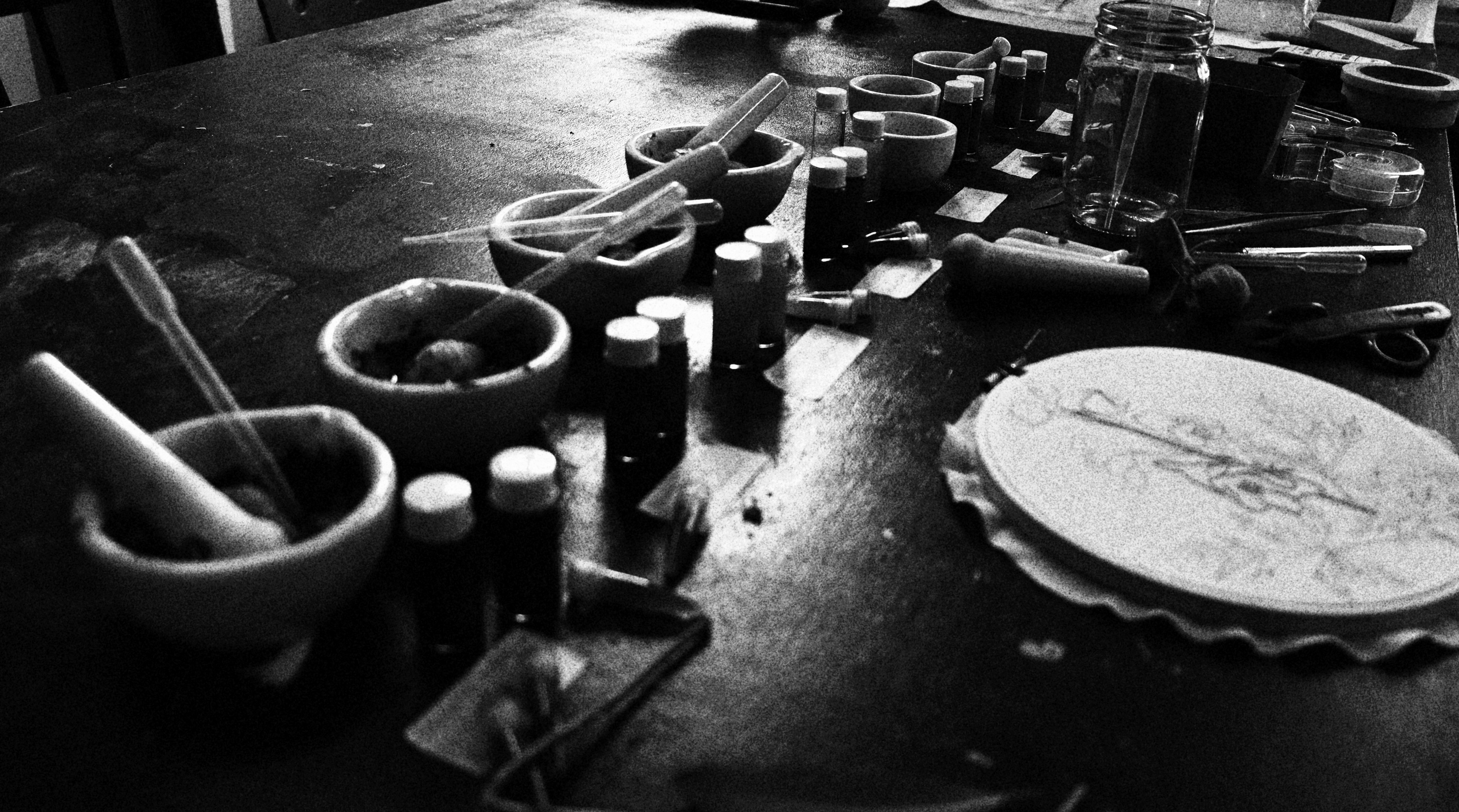
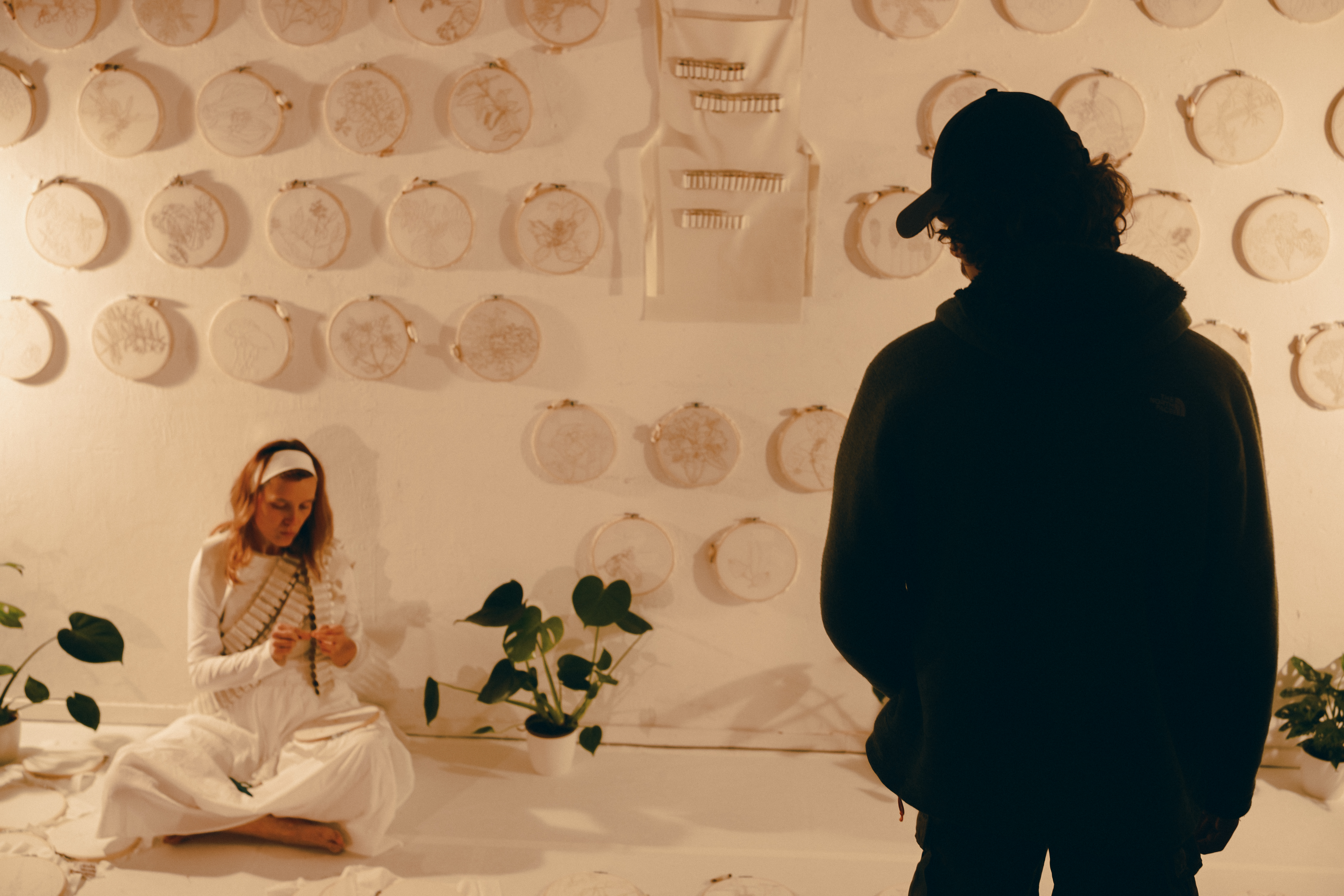
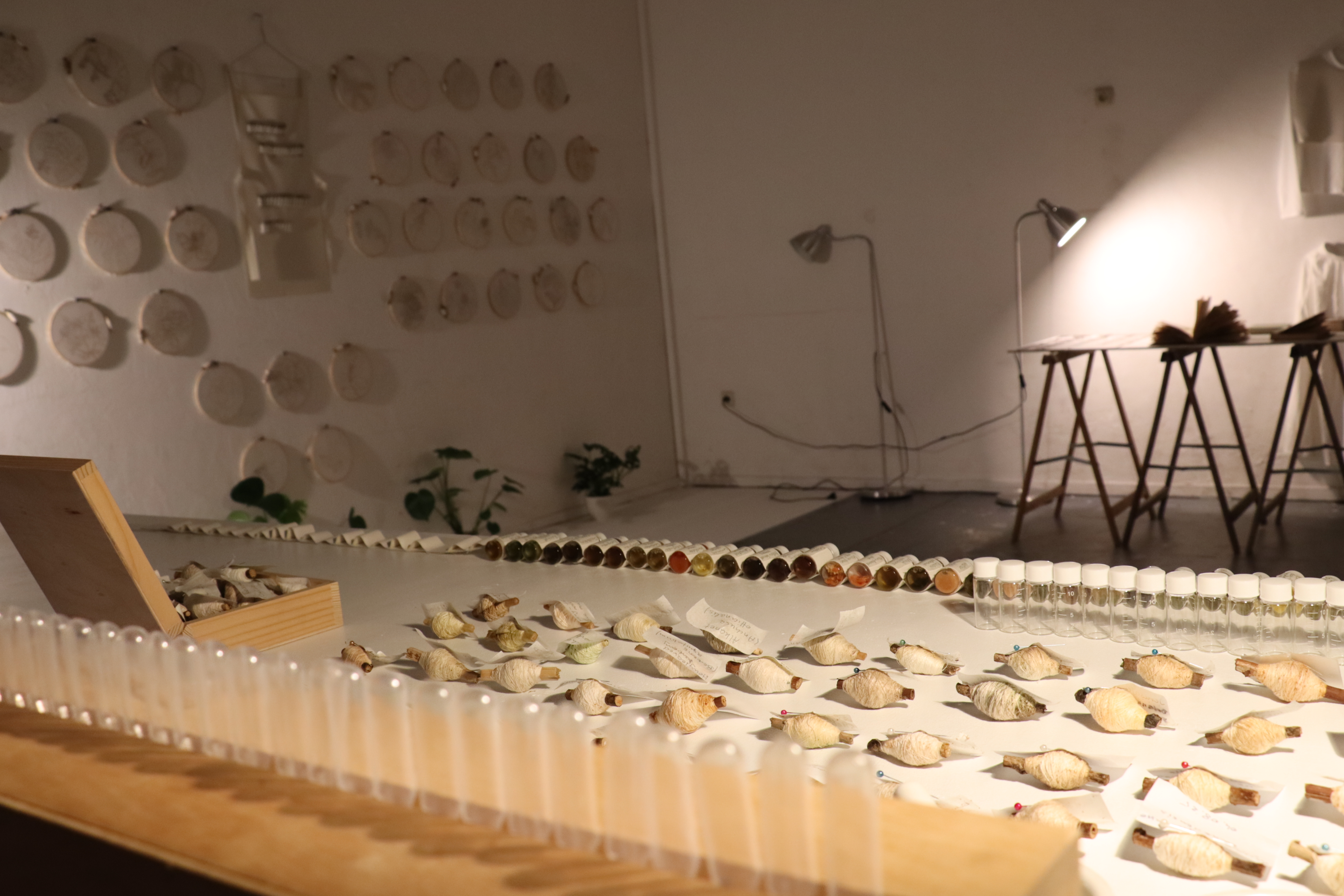
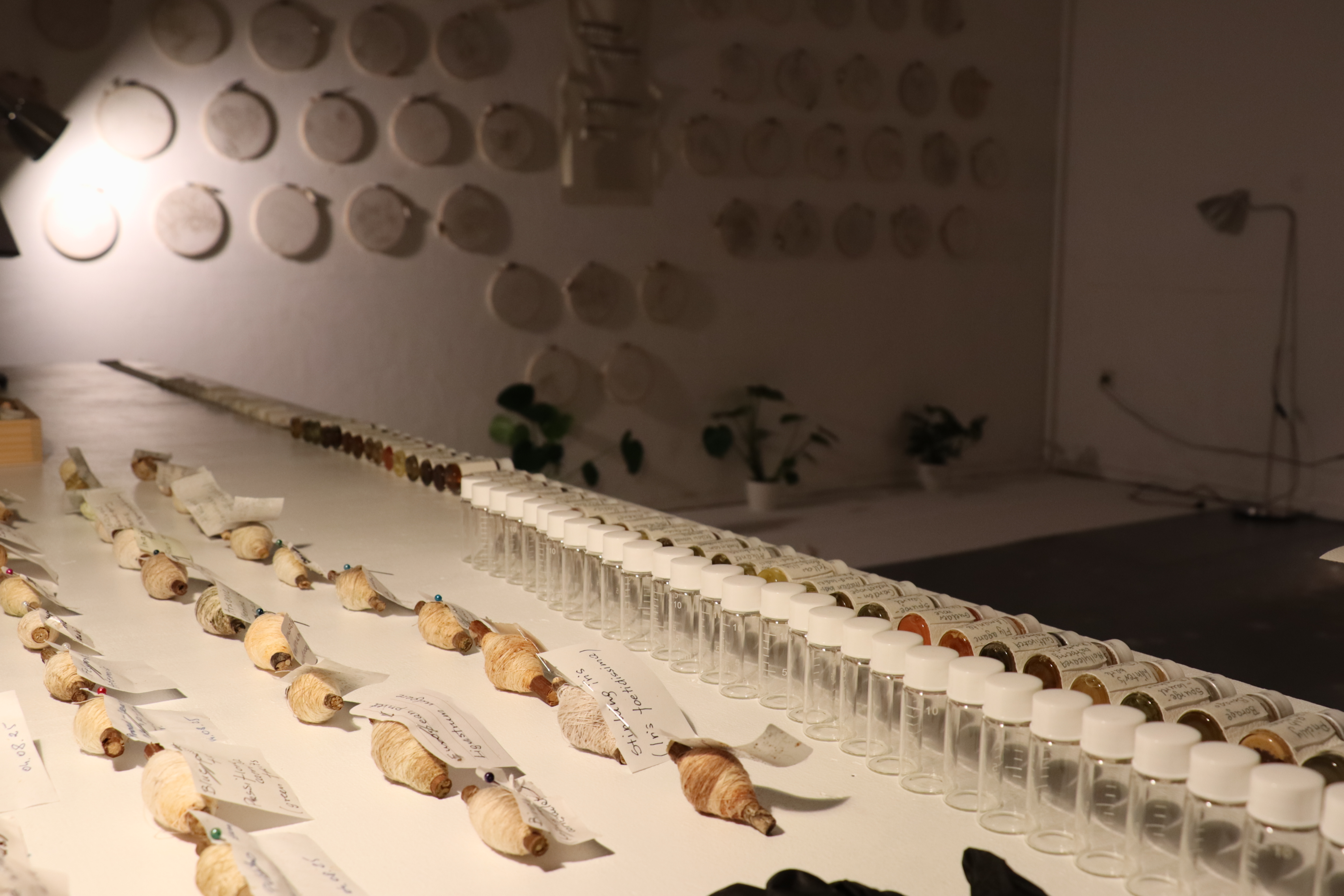
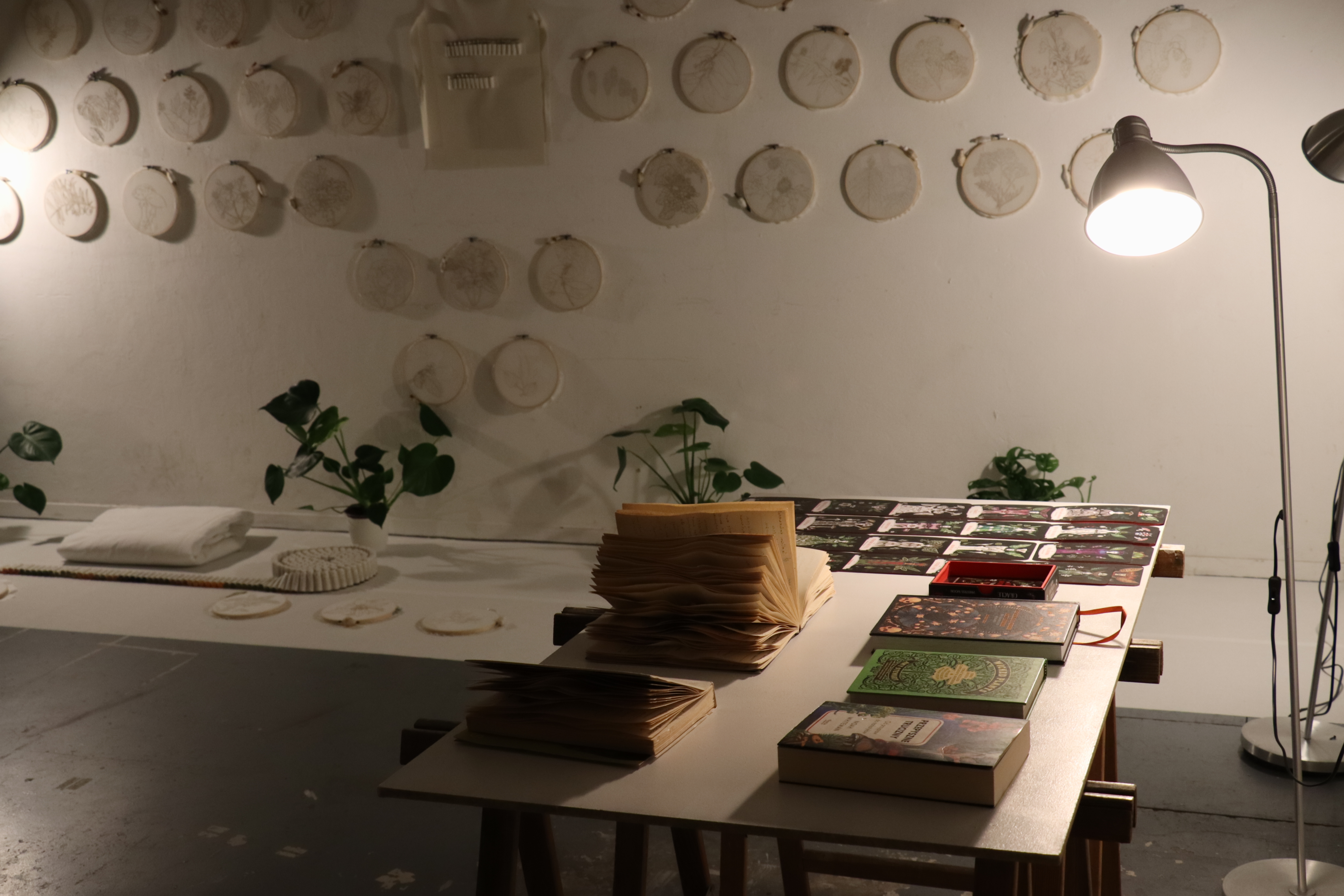
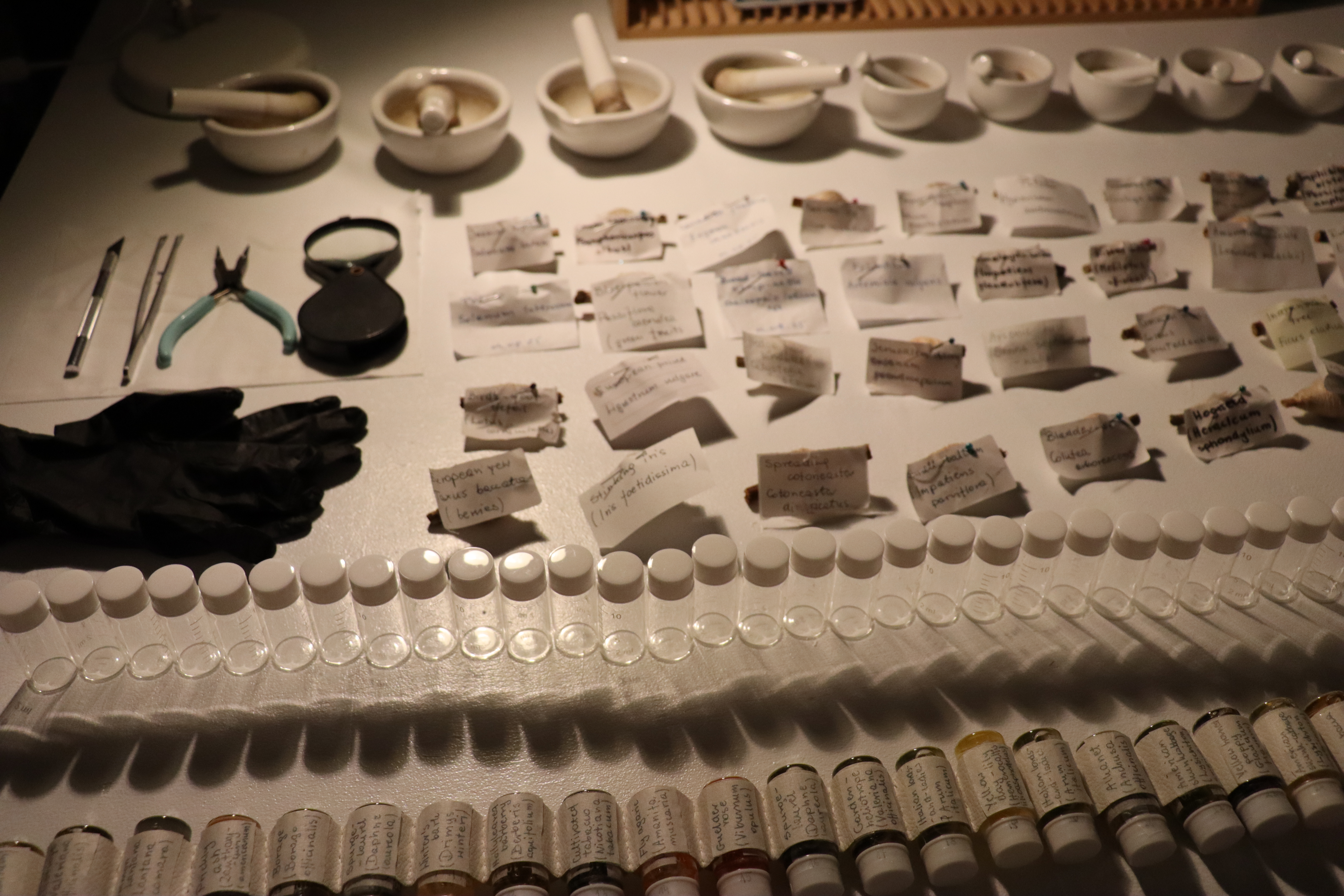
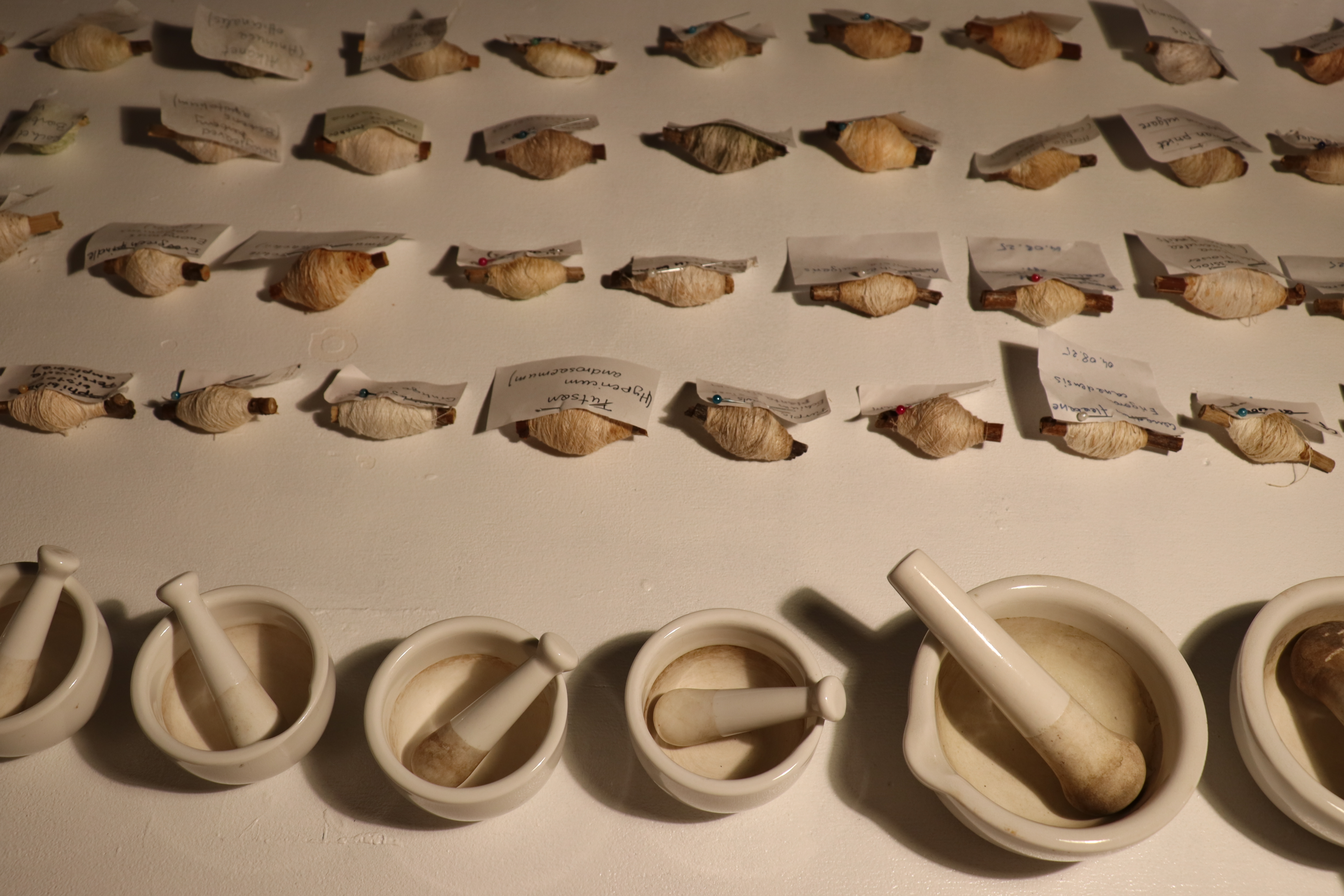
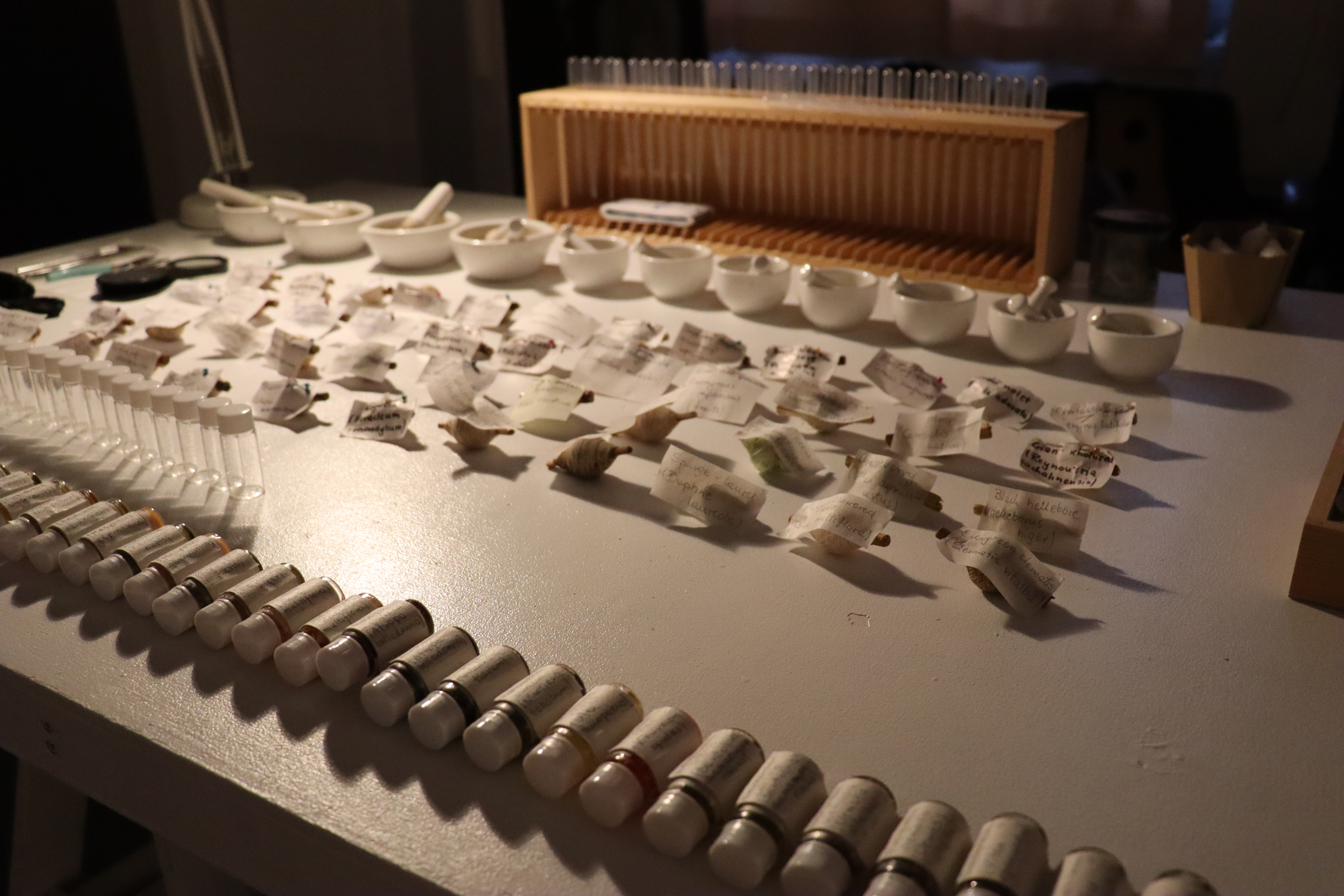
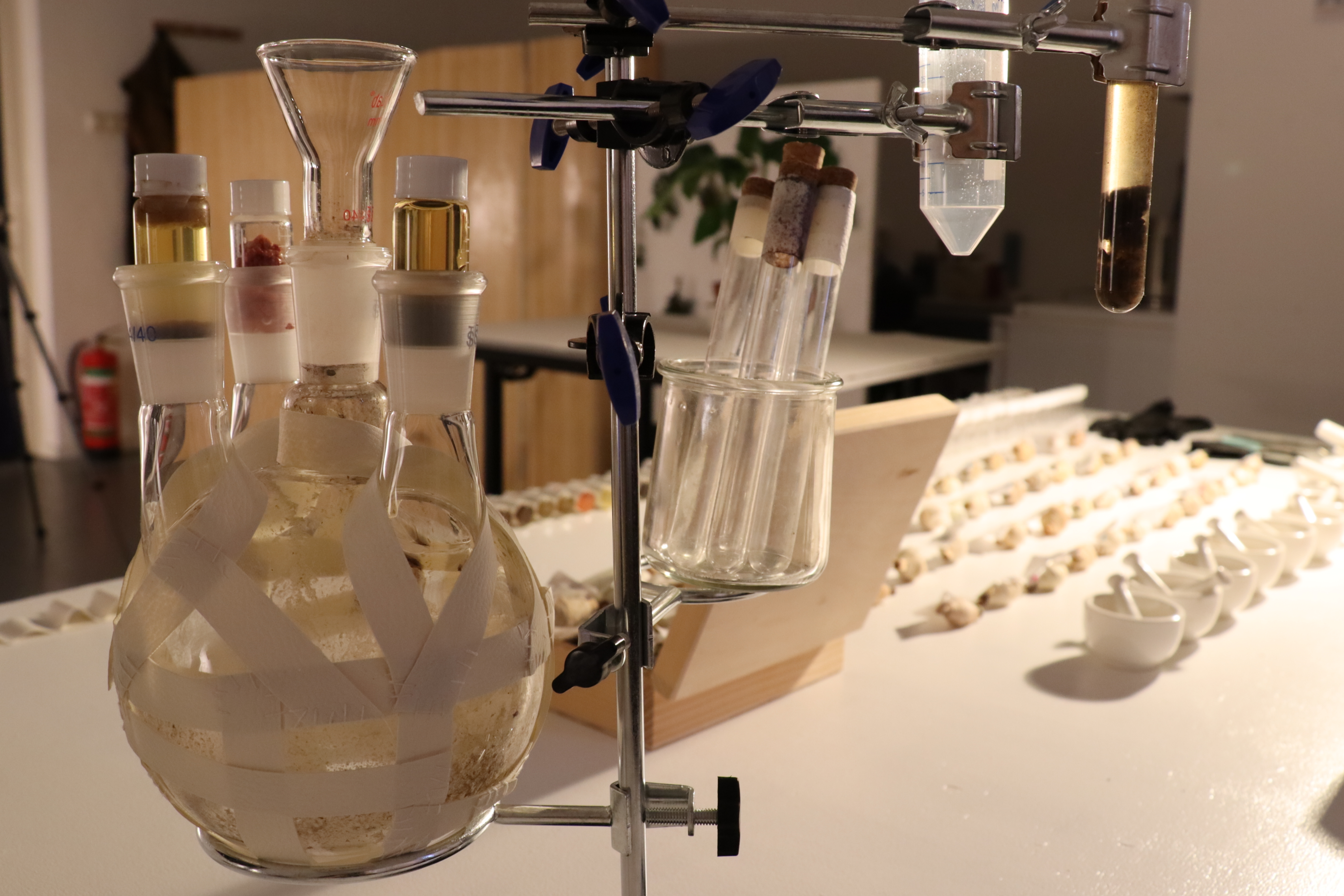
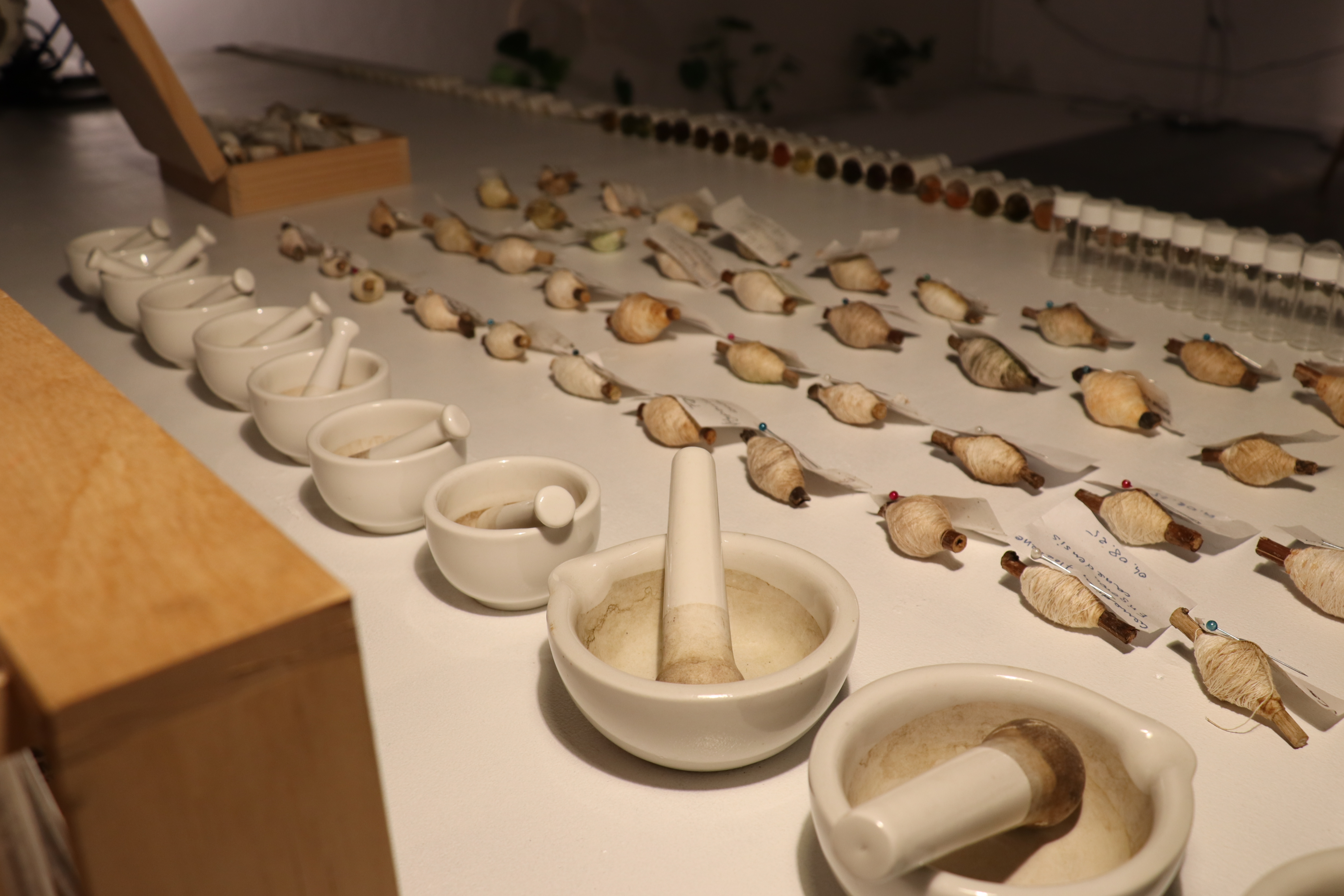
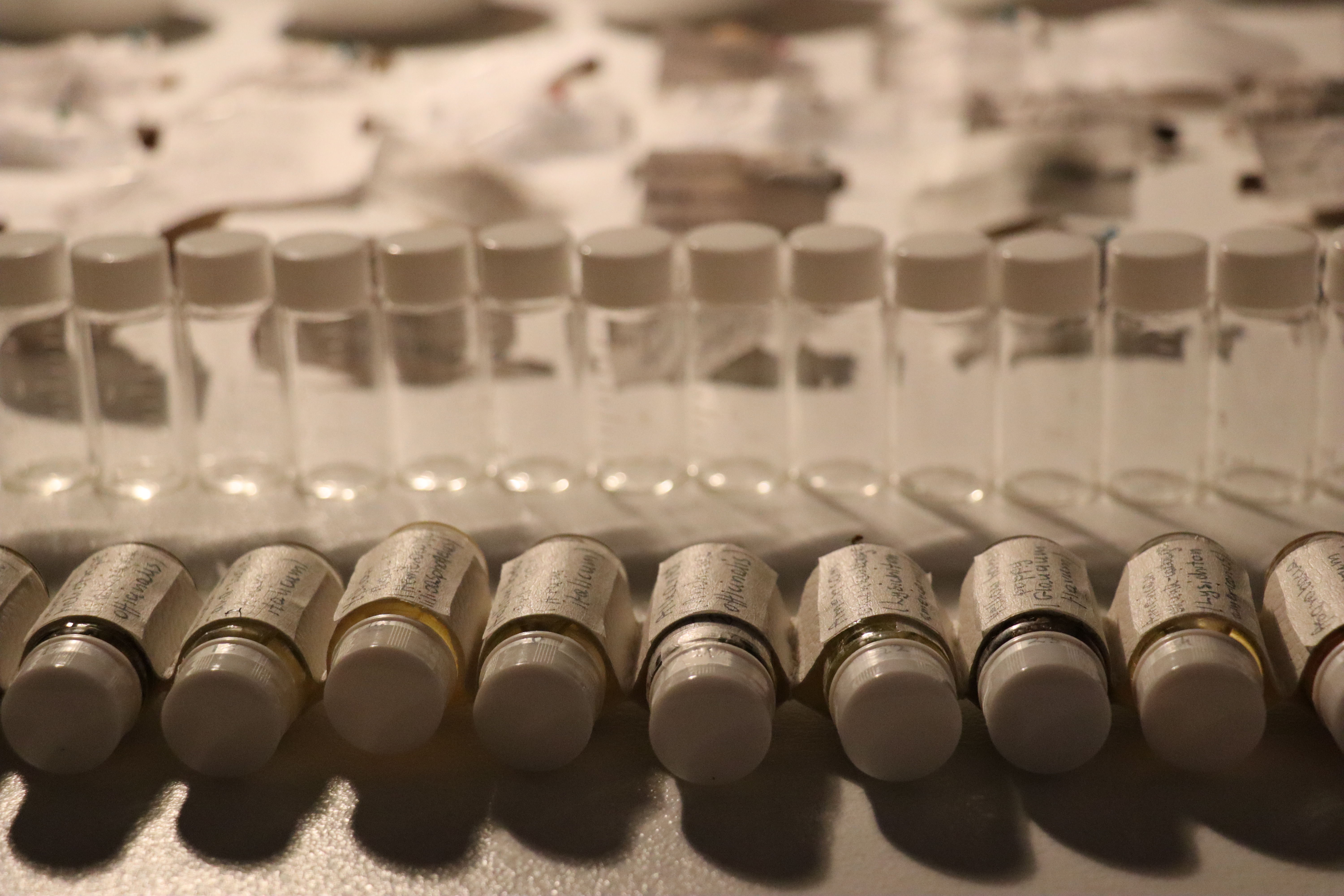
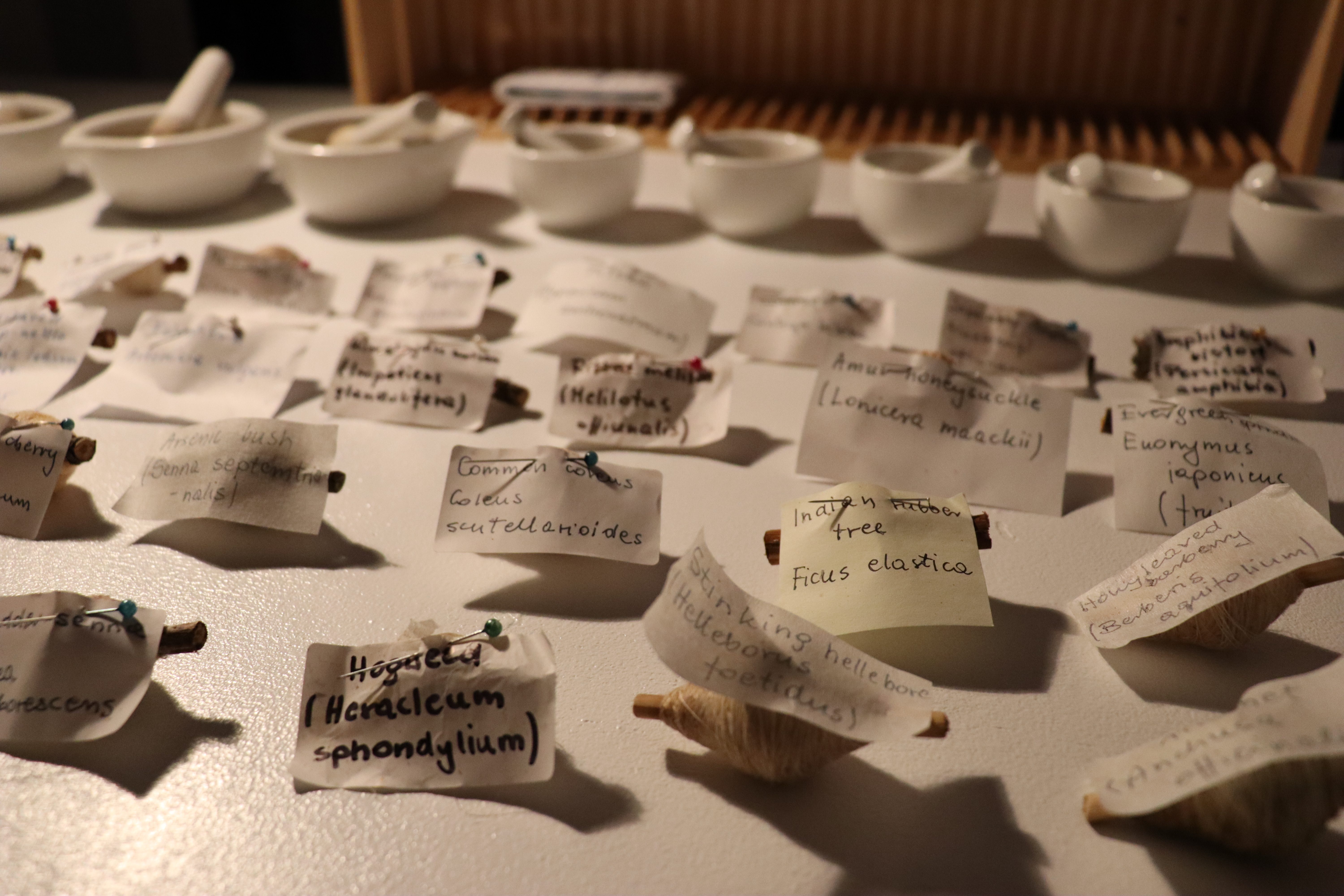
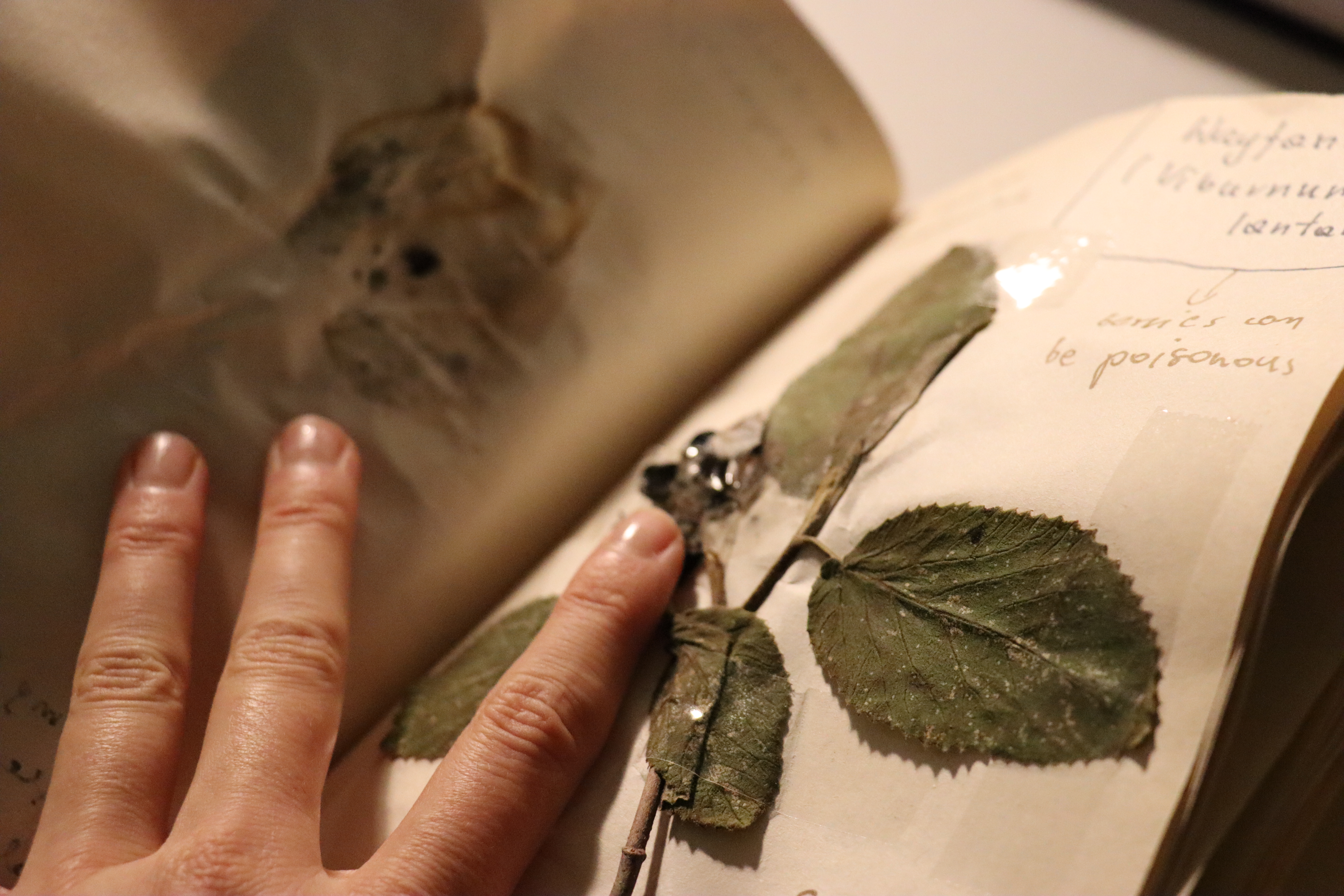
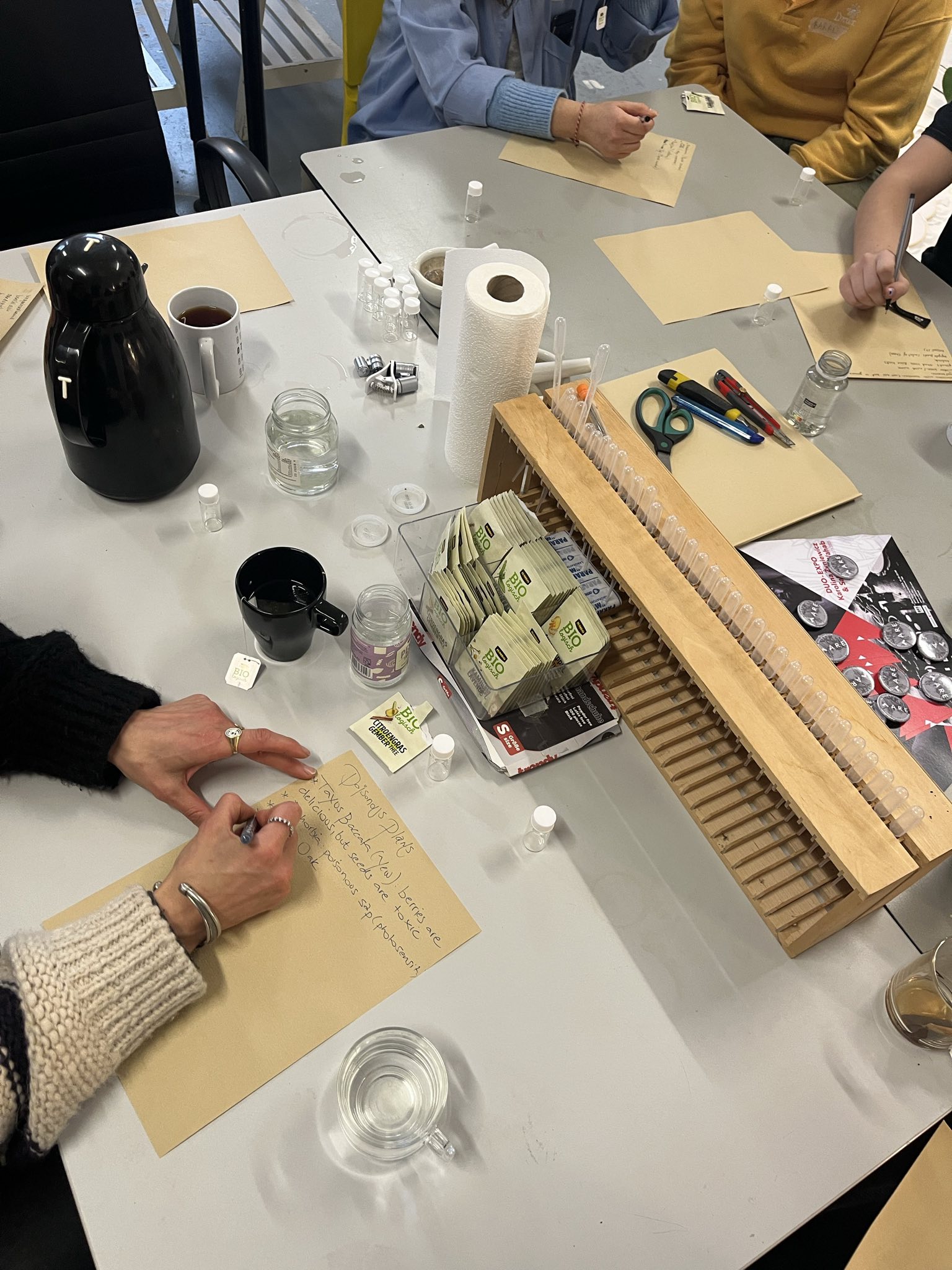
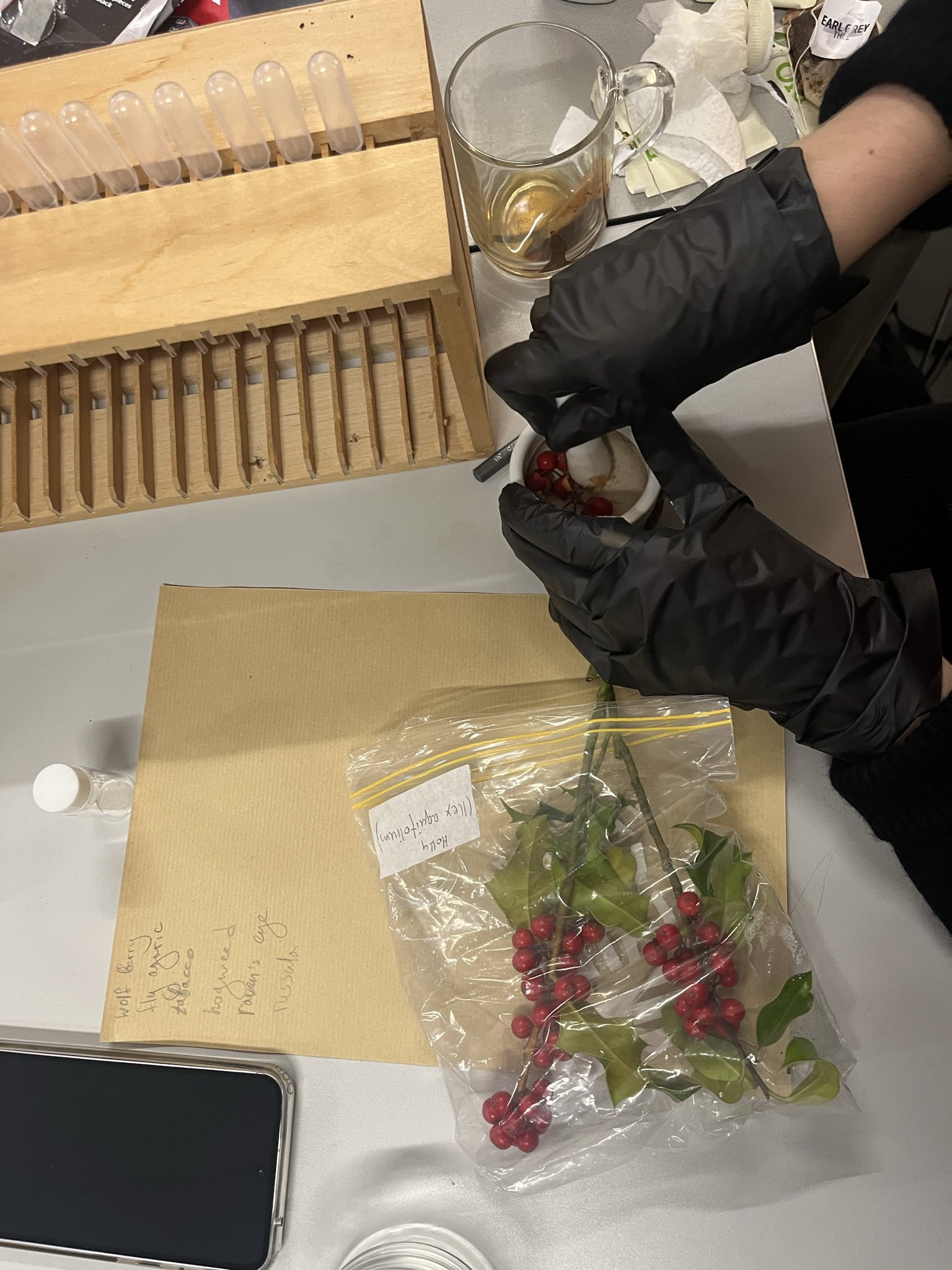
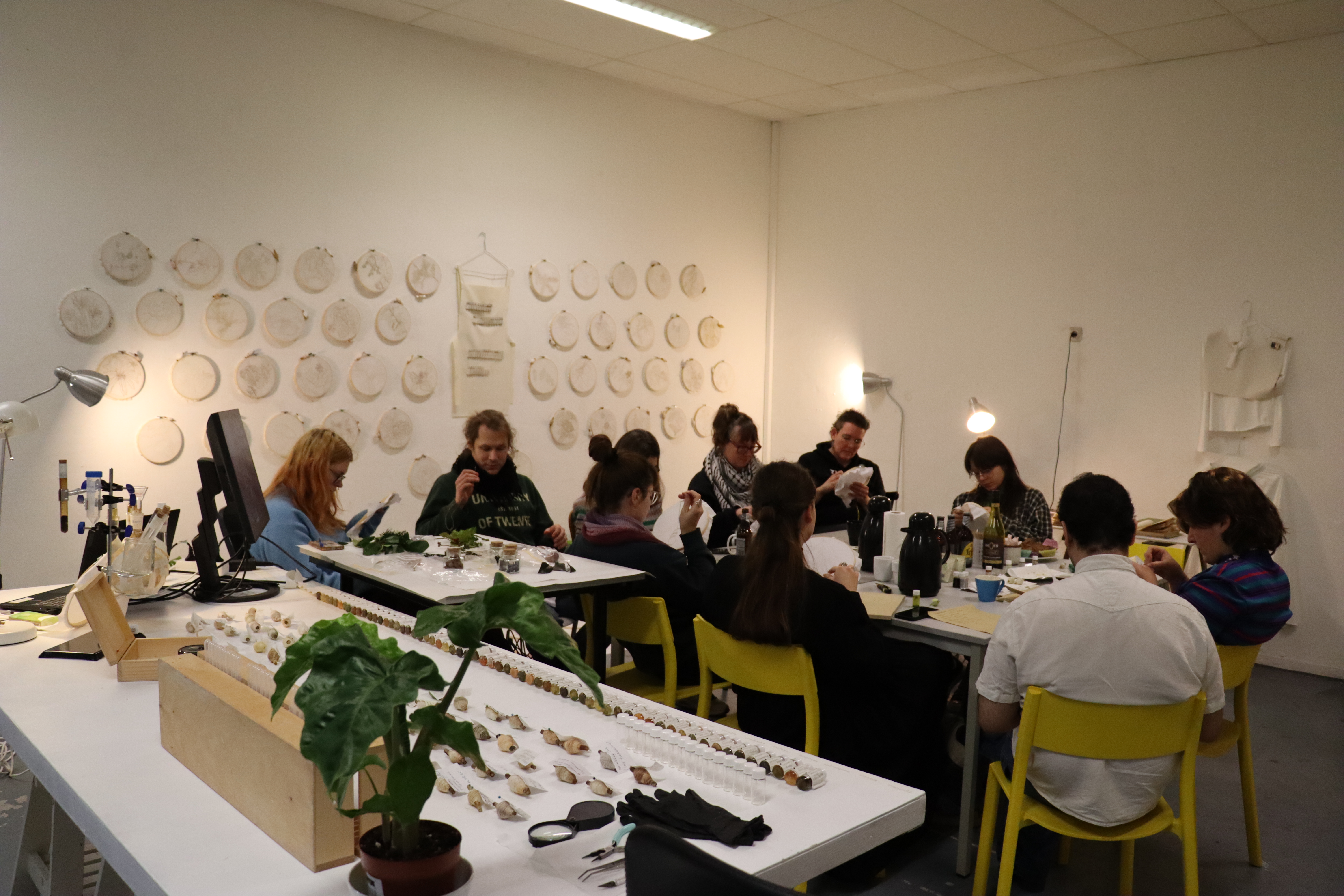
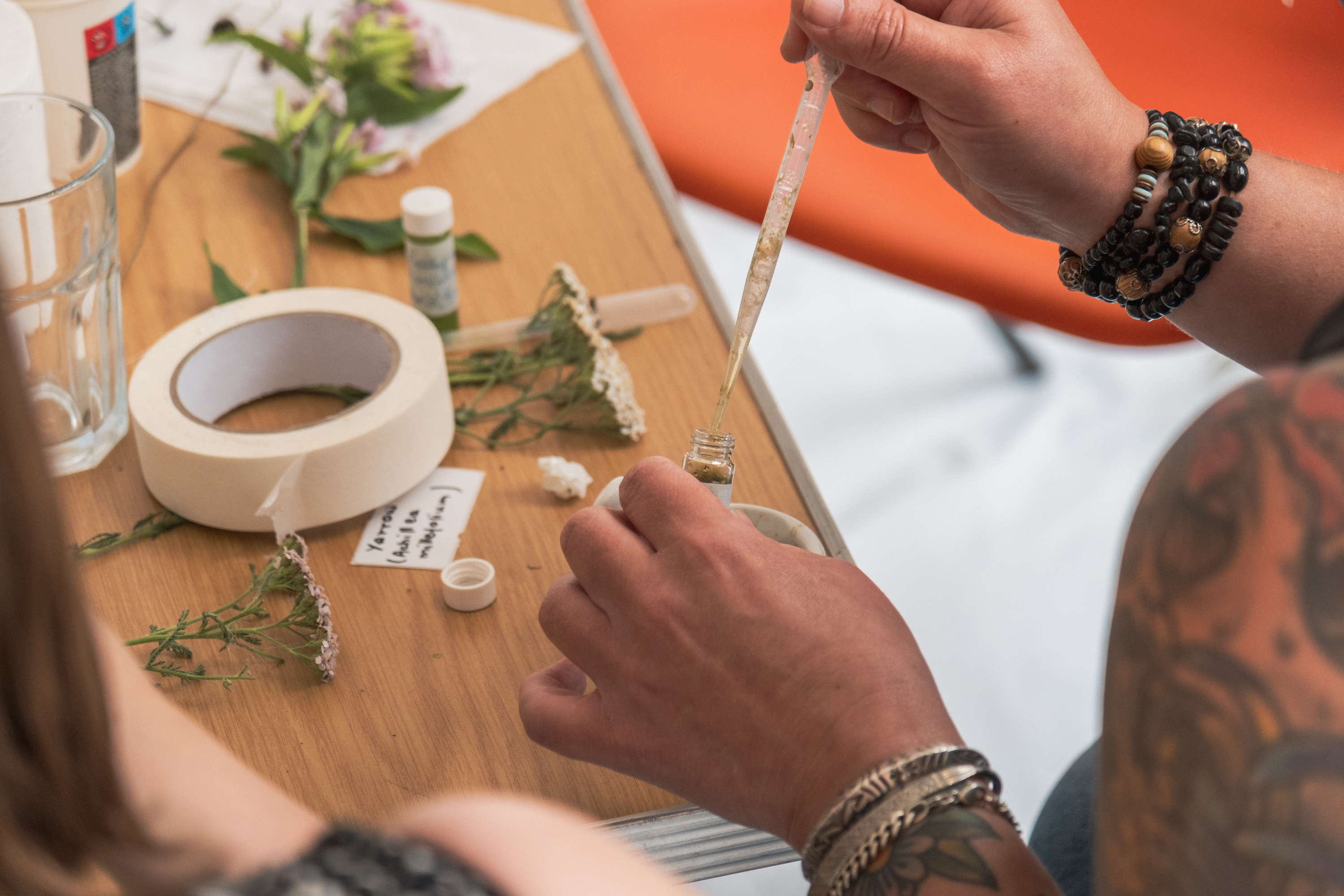
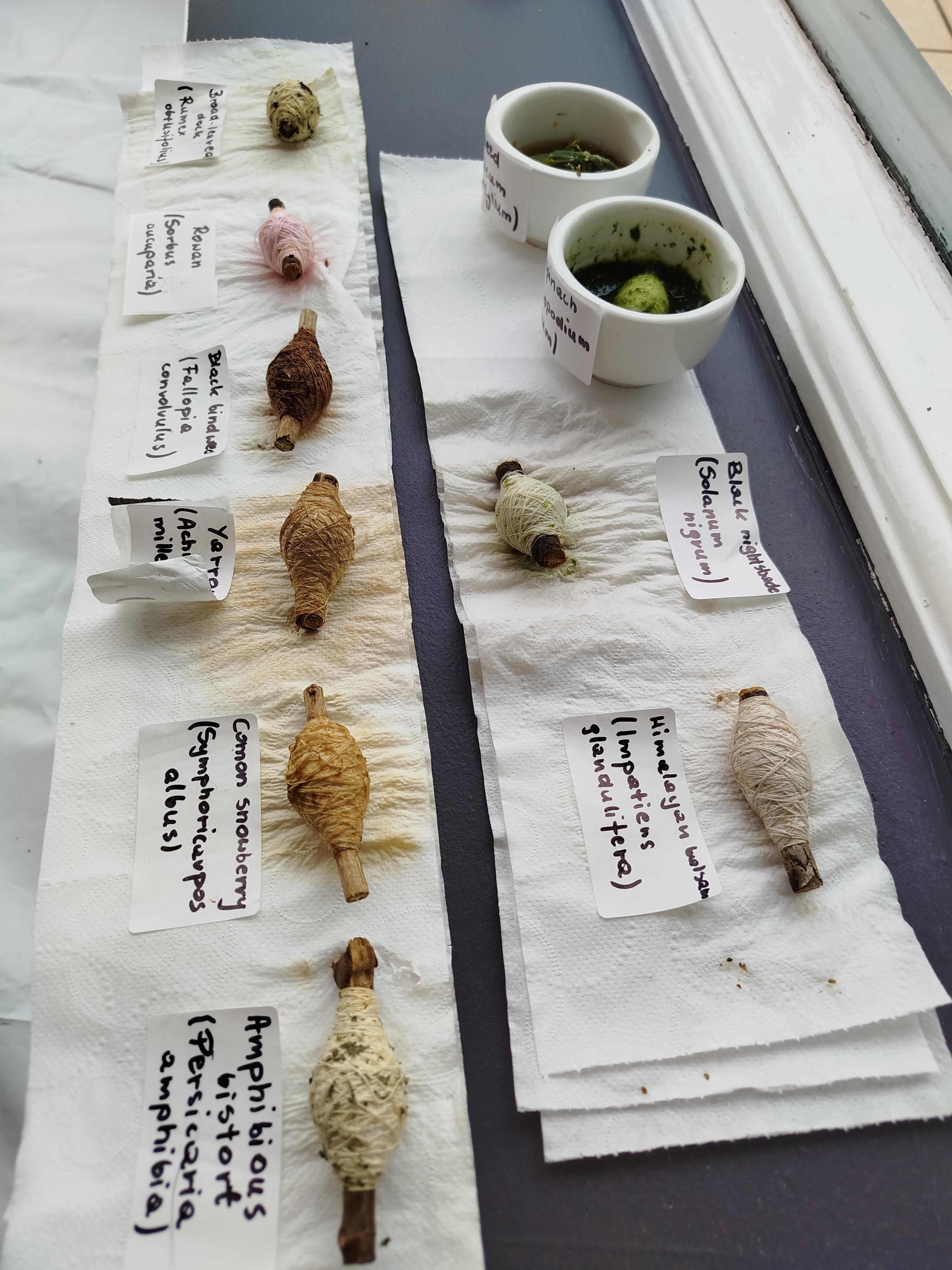
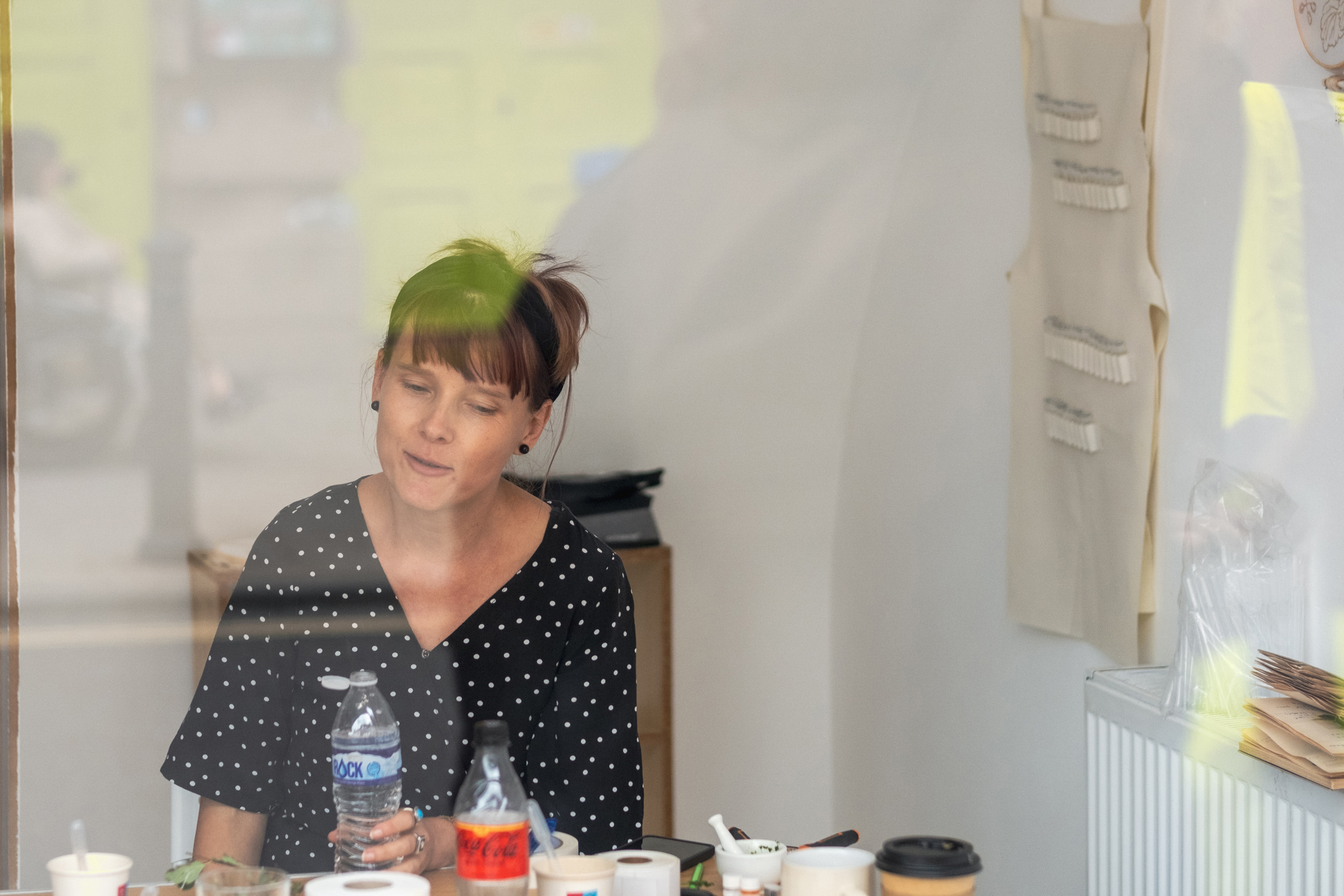
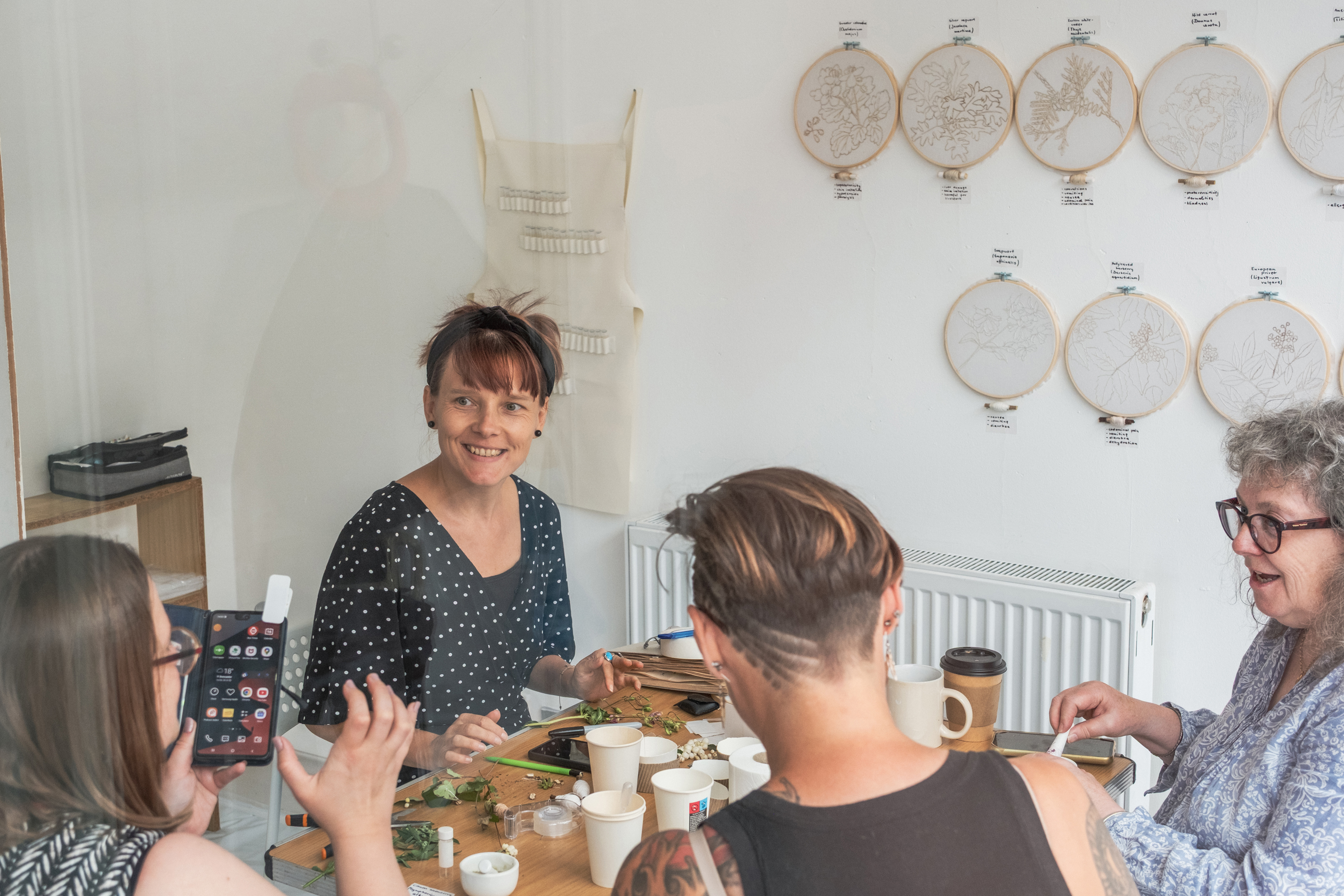
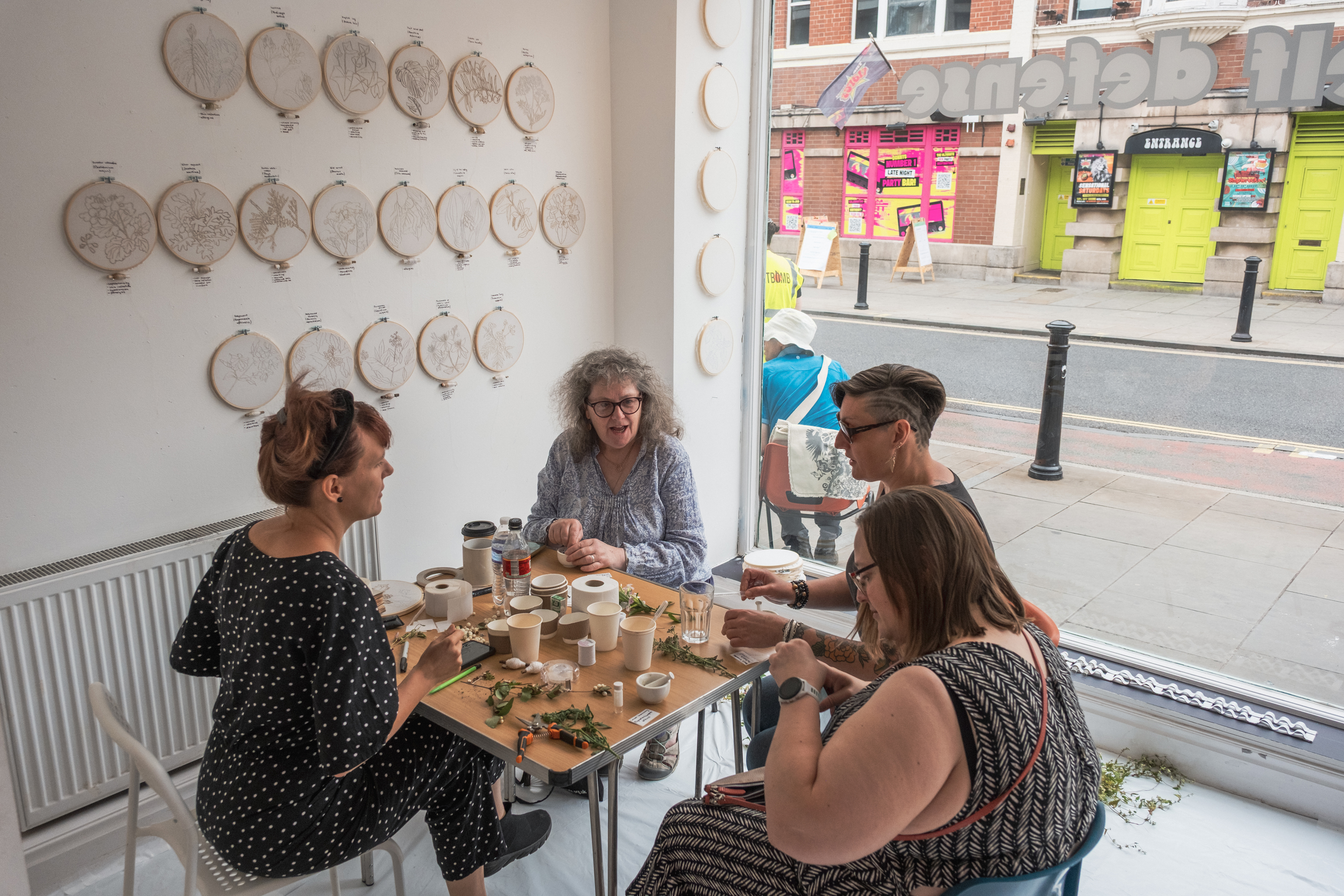
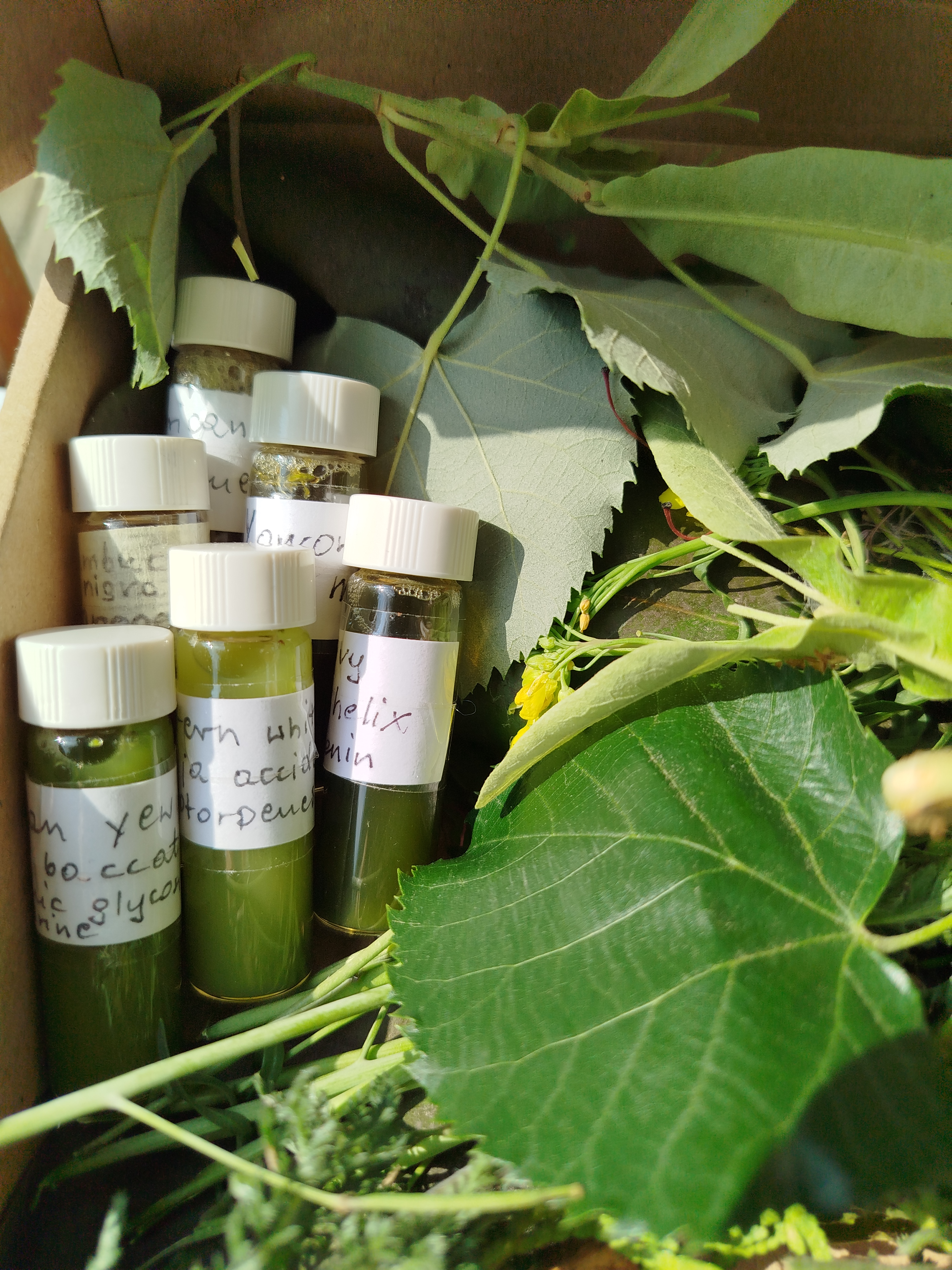
A crucial element of the project is the search for simple, accessible forms of resistance, such as craft and being together. The poisonous saps of the plants I collect are used to soak white thread. A plant is then embroidered with thread soaked in its own toxic “blood.” I travel with the project, engaging local communities in working with plants and doing craft together. Embroidery becomes a symbolic act of resistance, representing regular, safe, everyday life. I heard stories of women stitching, embroidering, or knitting in bomb shelters. Embroidery requires manual activity, time, and patience—everything we often lack today. Doing embroidery together helps people calm down and talk.
self defense consists of several stages:
-
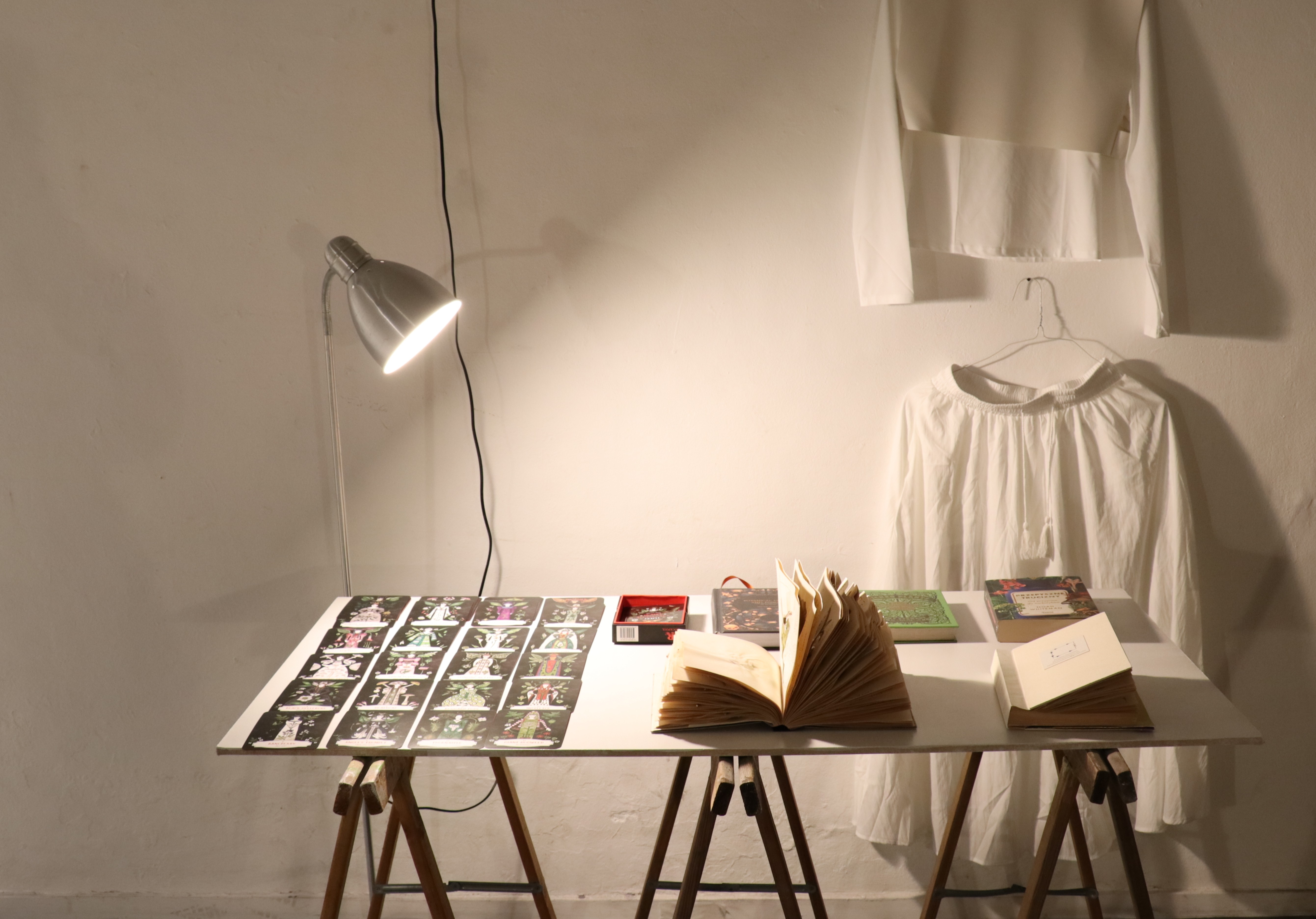
working with sources and consulting scientists—mainly botanists, phytosociologists, and chemists
-
workshop-based activities that symbolically return to the folk traditions of creating and passing down knowledge within rural communities—knowledge that our grandmothers and great-grandmothers possessed about the power and wisdom of plants and other organisms
-
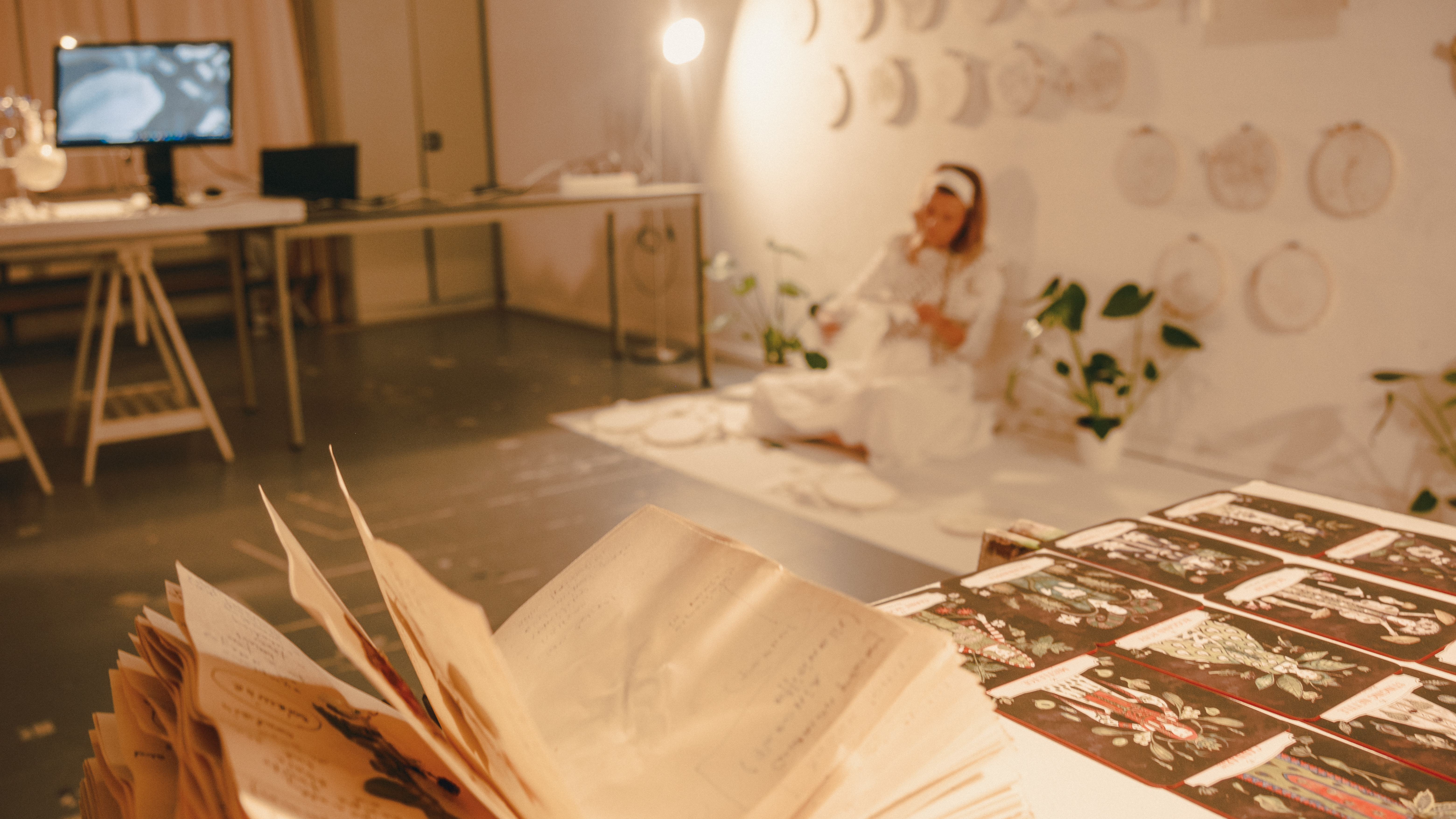
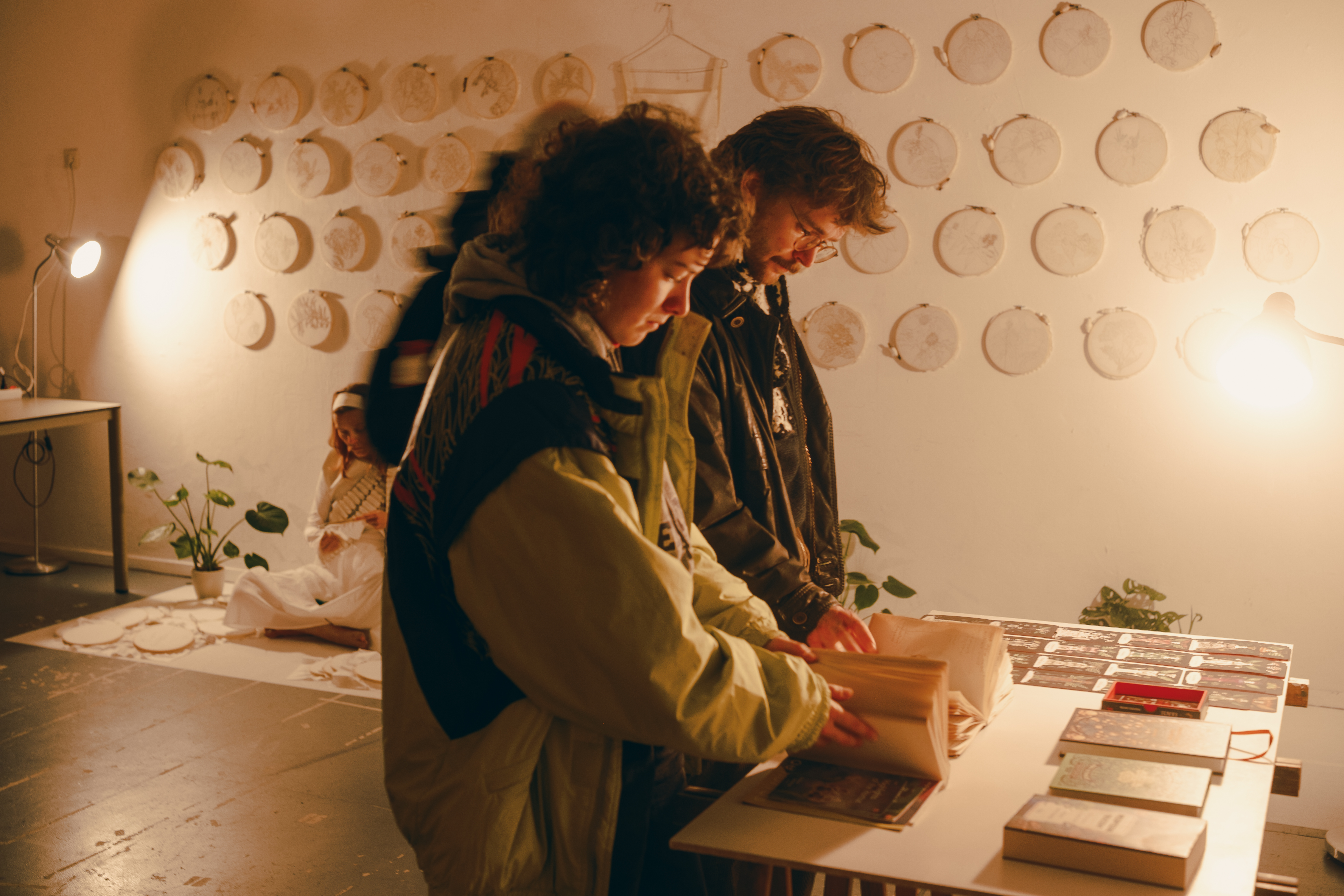
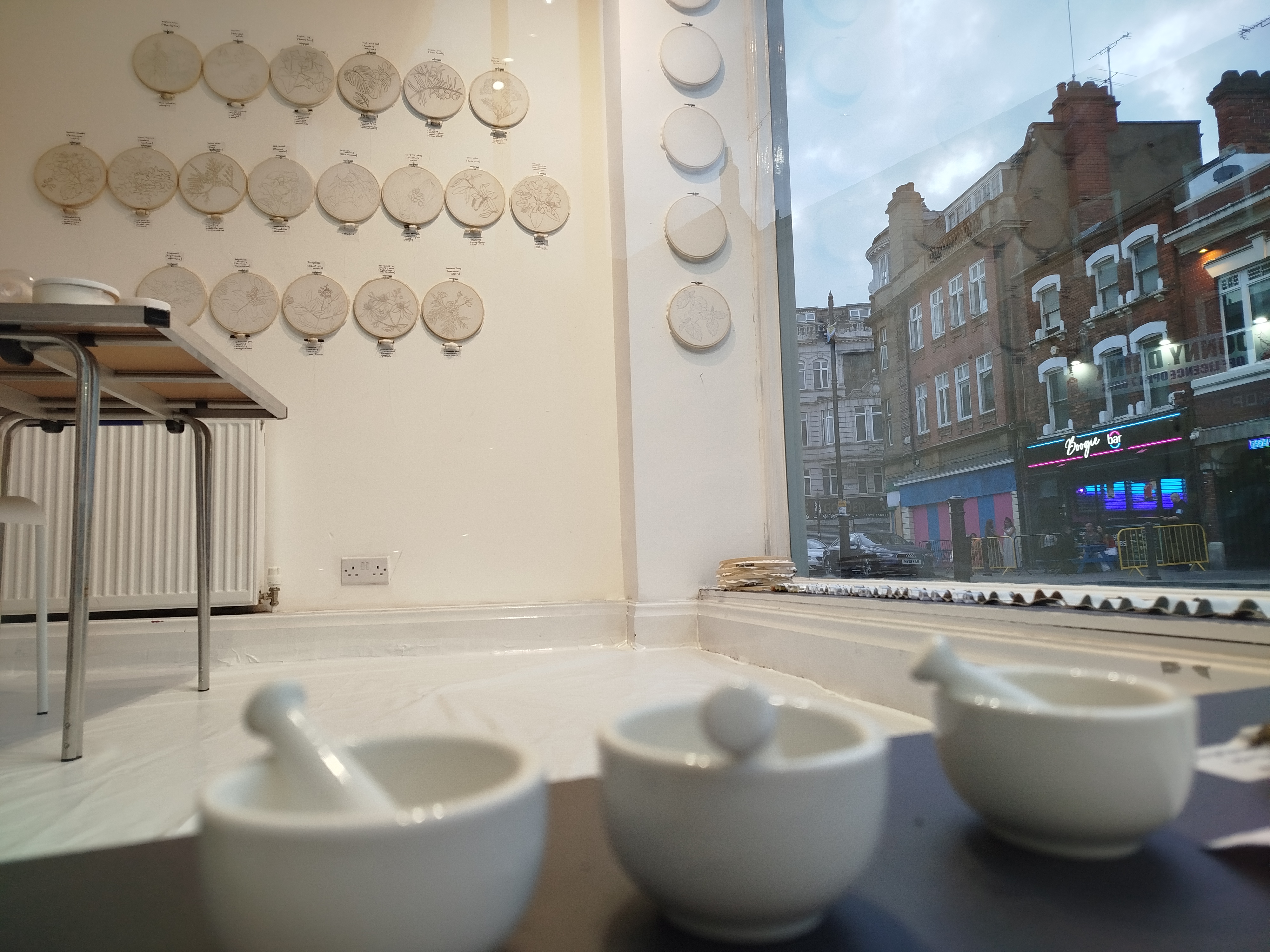
creating a performative installation (of resistance)
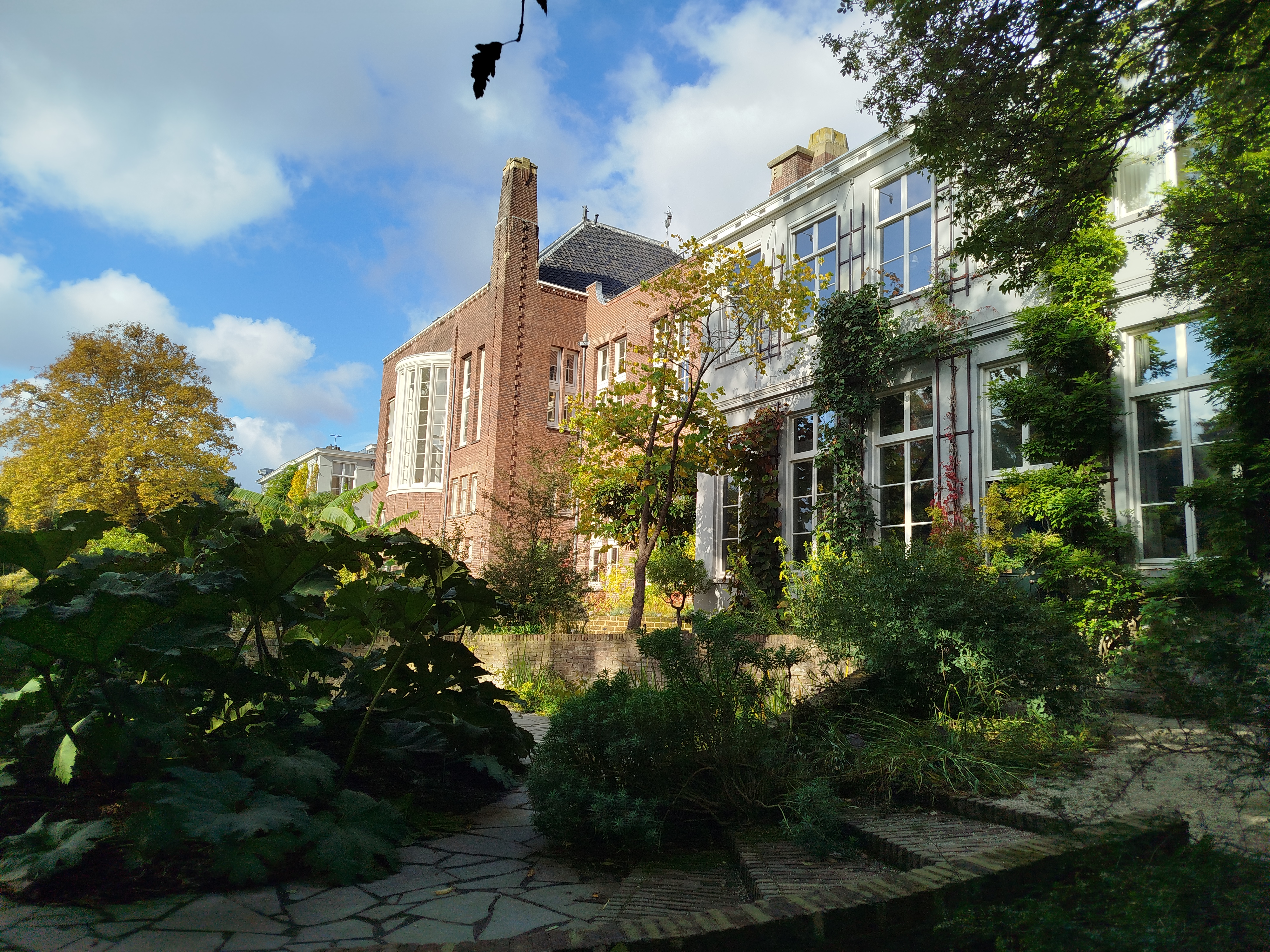
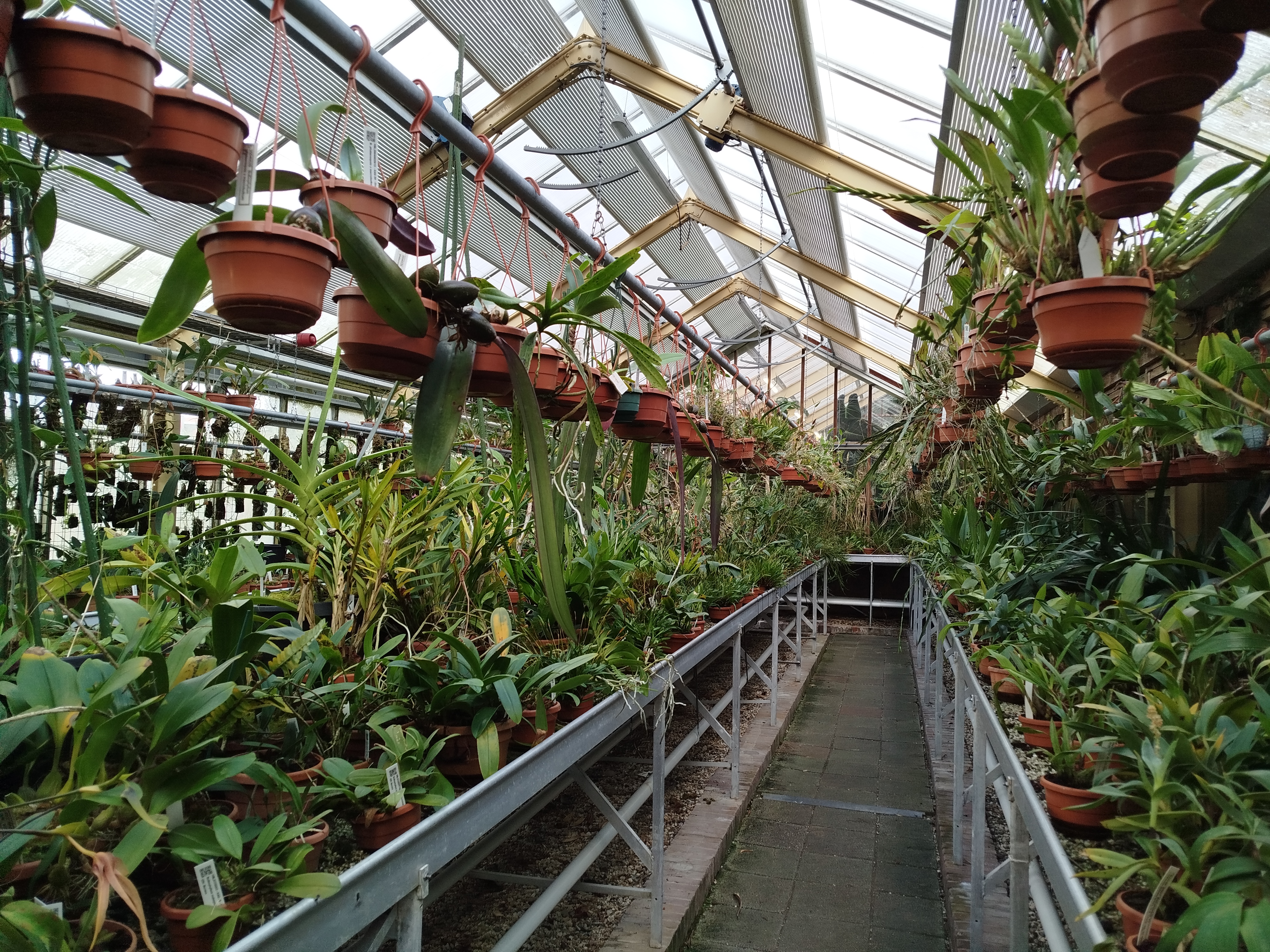
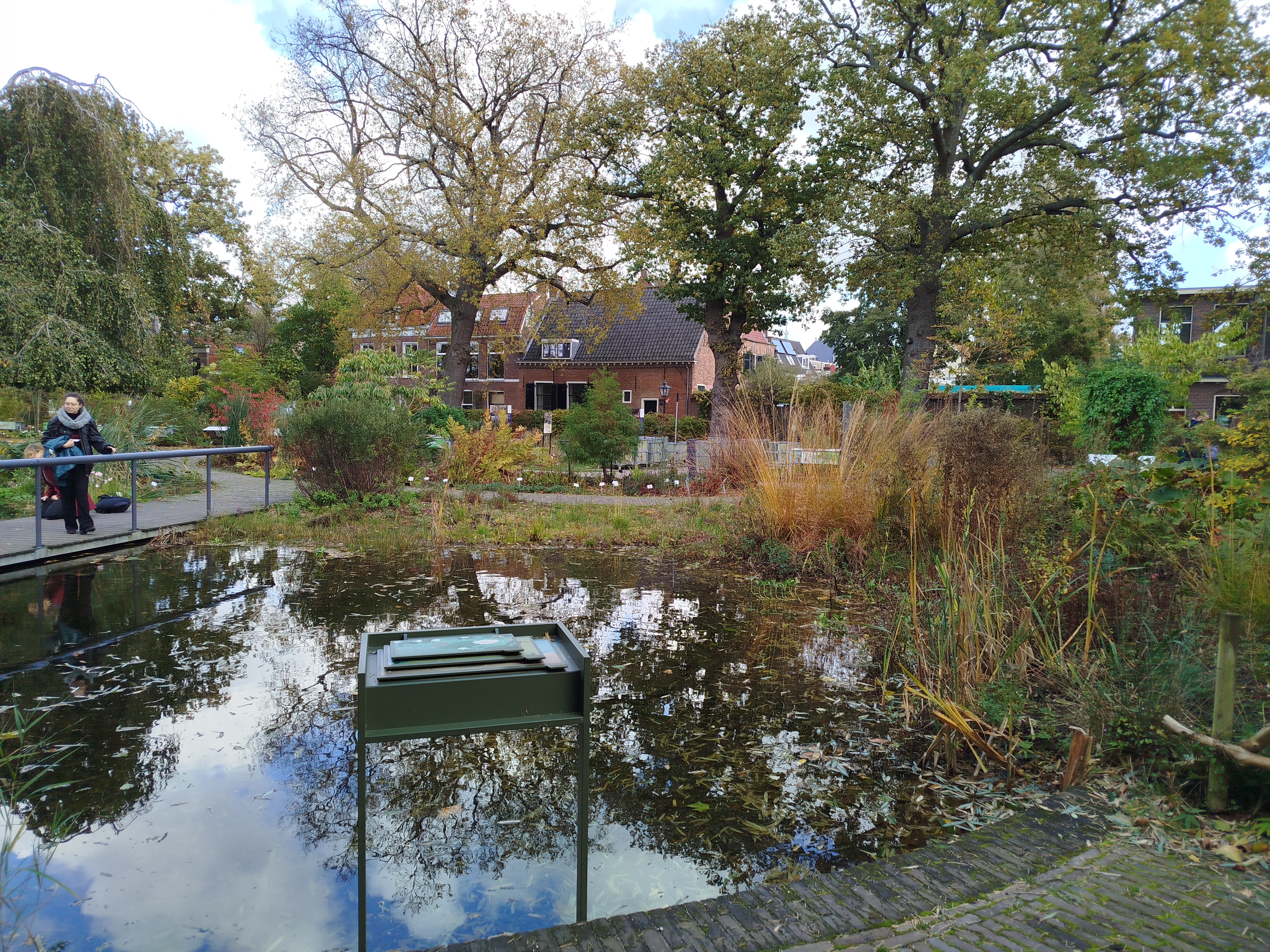
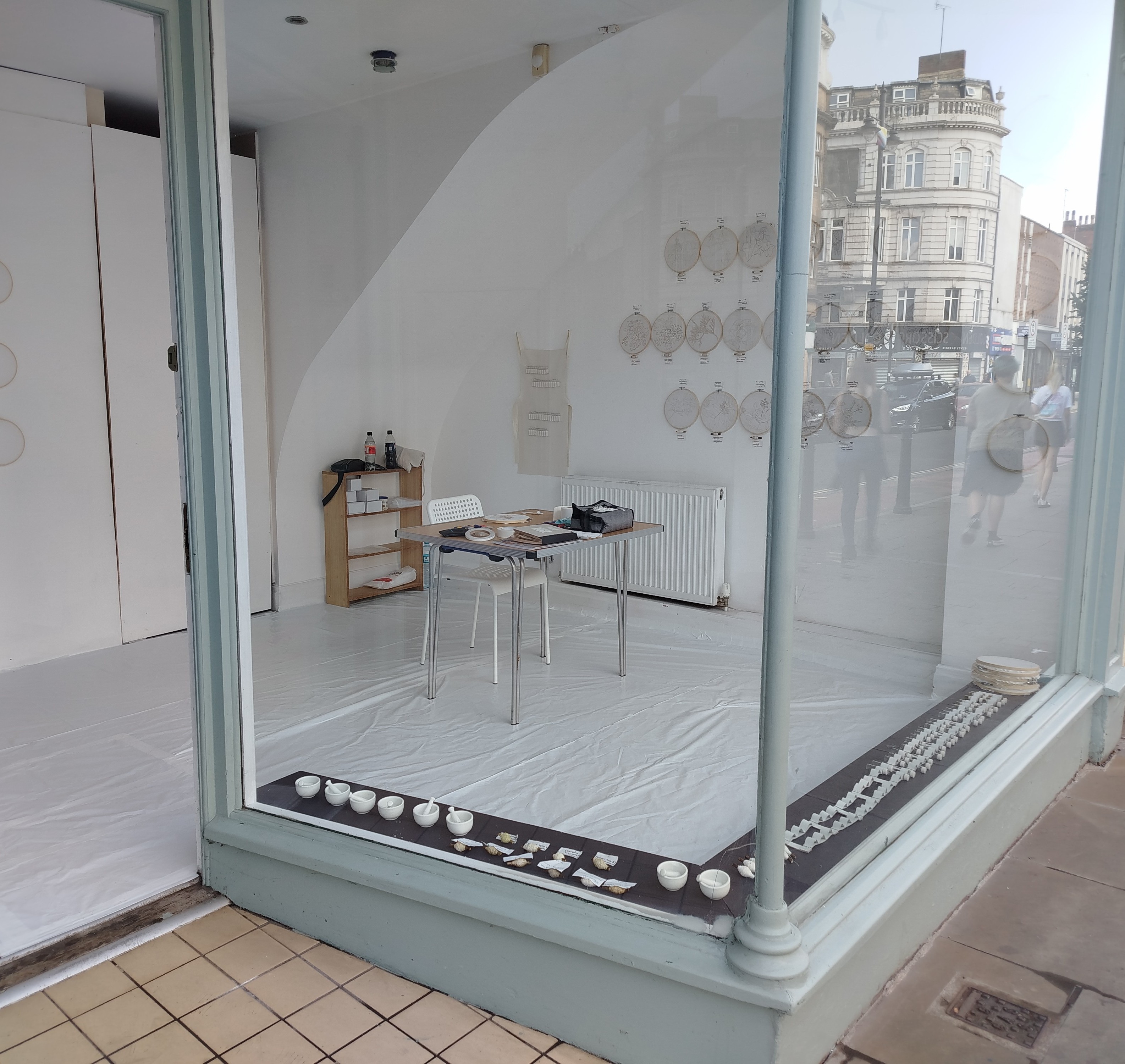
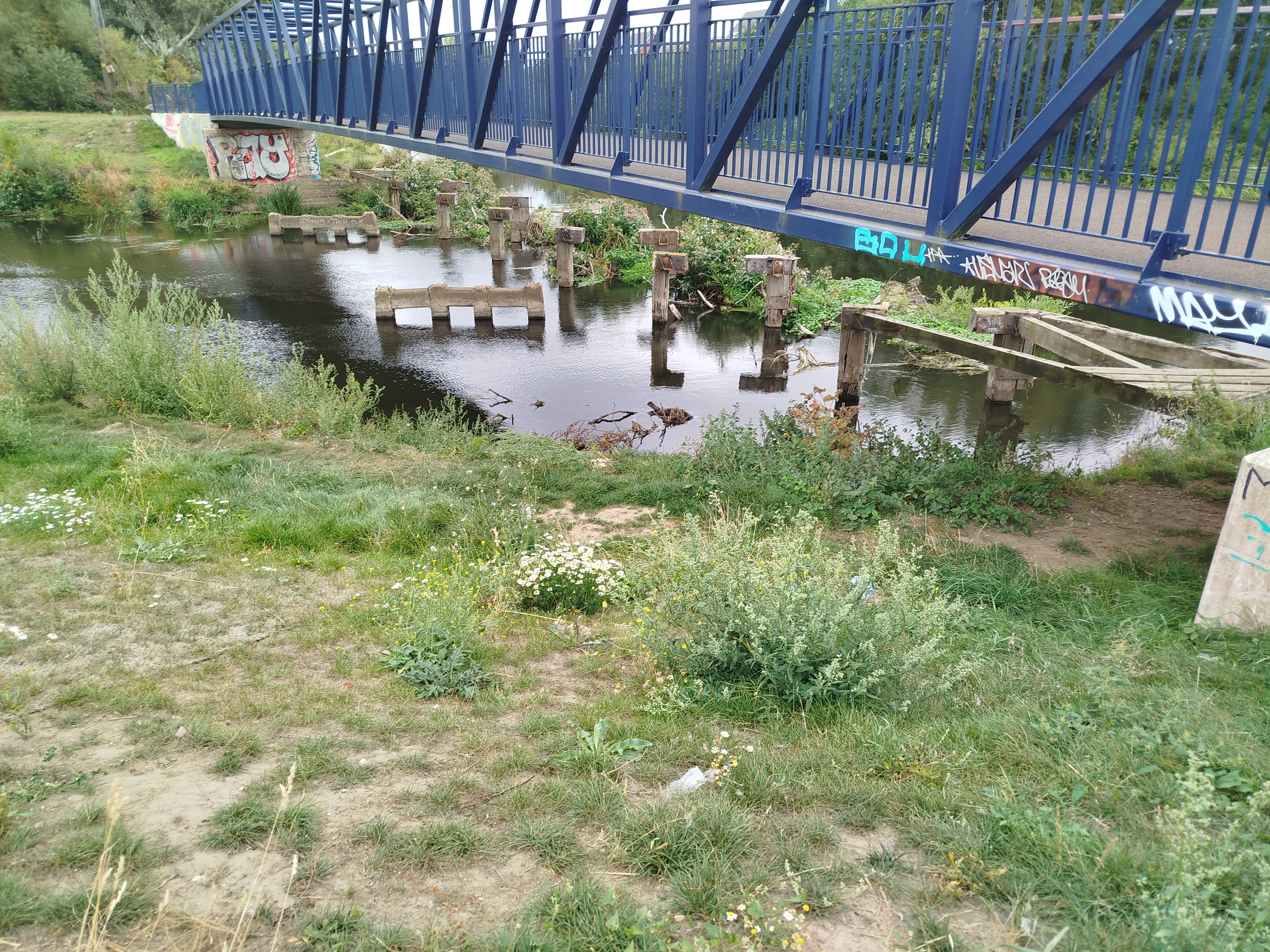
So far, I have traveled with the project to Doncaster, UK (residency in August 2025), and to Enschede, the Netherlands (AREHolland residency, October–November 2025), with additional fieldwork at the Hortus Botanicus in Amsterdam and the Hortus Botanicus in Leiden.
- DSCF8462-2
- IMG_0035
- DSCF8568
- DSCF8812
- DSCF8837
- IMG_0153
- IMG_0144
- IMG_0151
- IMG_0166
- IMG_0188
- IMG_0157
- IMG_0128
- IMG_0158
- IMG_0155
- IMG_0178
- IMG_0126
- IMG_0170
- IMG_0148
- IMG_20251010_114125
- IMG_20251024_143849
- IMG_20251024_142640
- signal-2025-11-15-16-12-26-296-4
- signal-2025-11-15-16-12-26-296-3
- IMG_0234
- DSCF2422
- IMG_20250815_134010
- IMG_20250815_203052
- IMG_20250818_134717(1)
- DSCF2573
- DSCF2246
- DSCF2238
- IMG_20250813_190230_463
- IMG_20250816_123246
- 2
-